
Last updated November 22, 2026
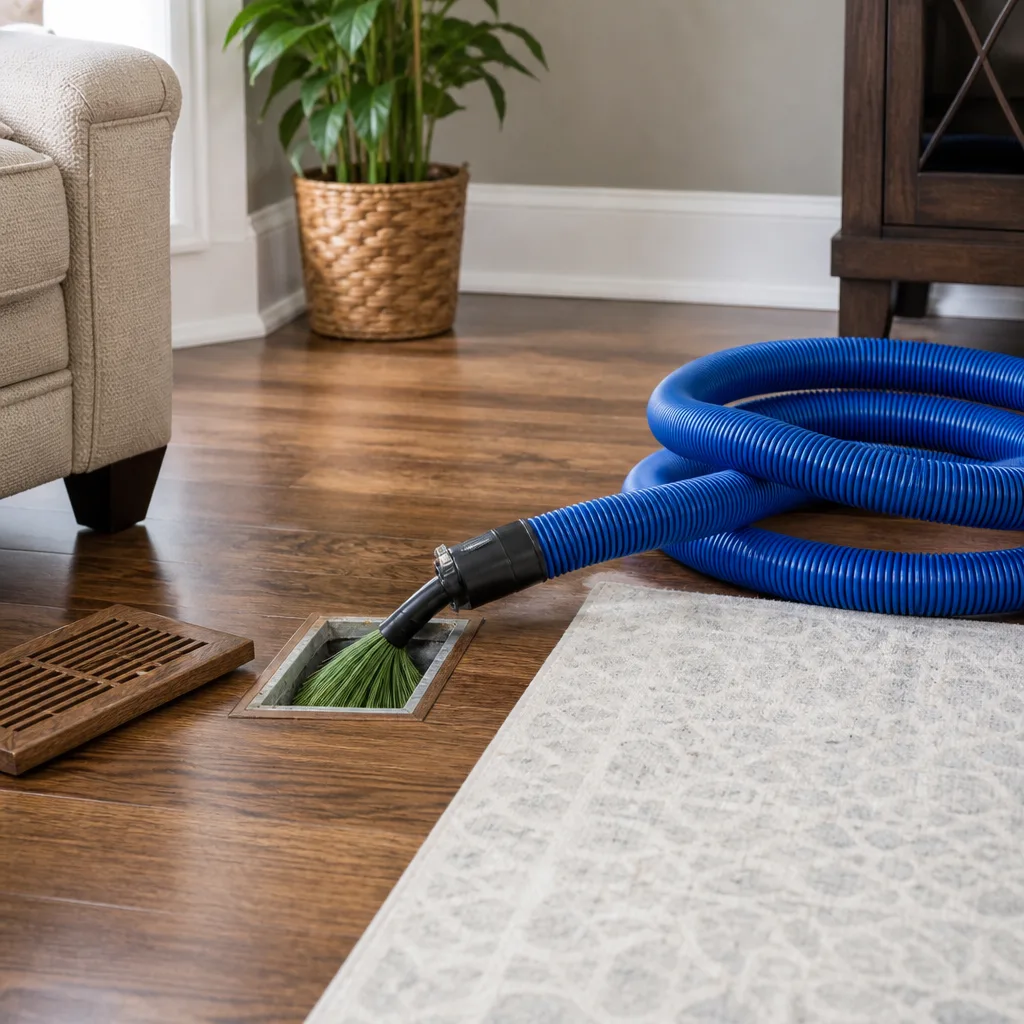 Whole-home duct cleaning
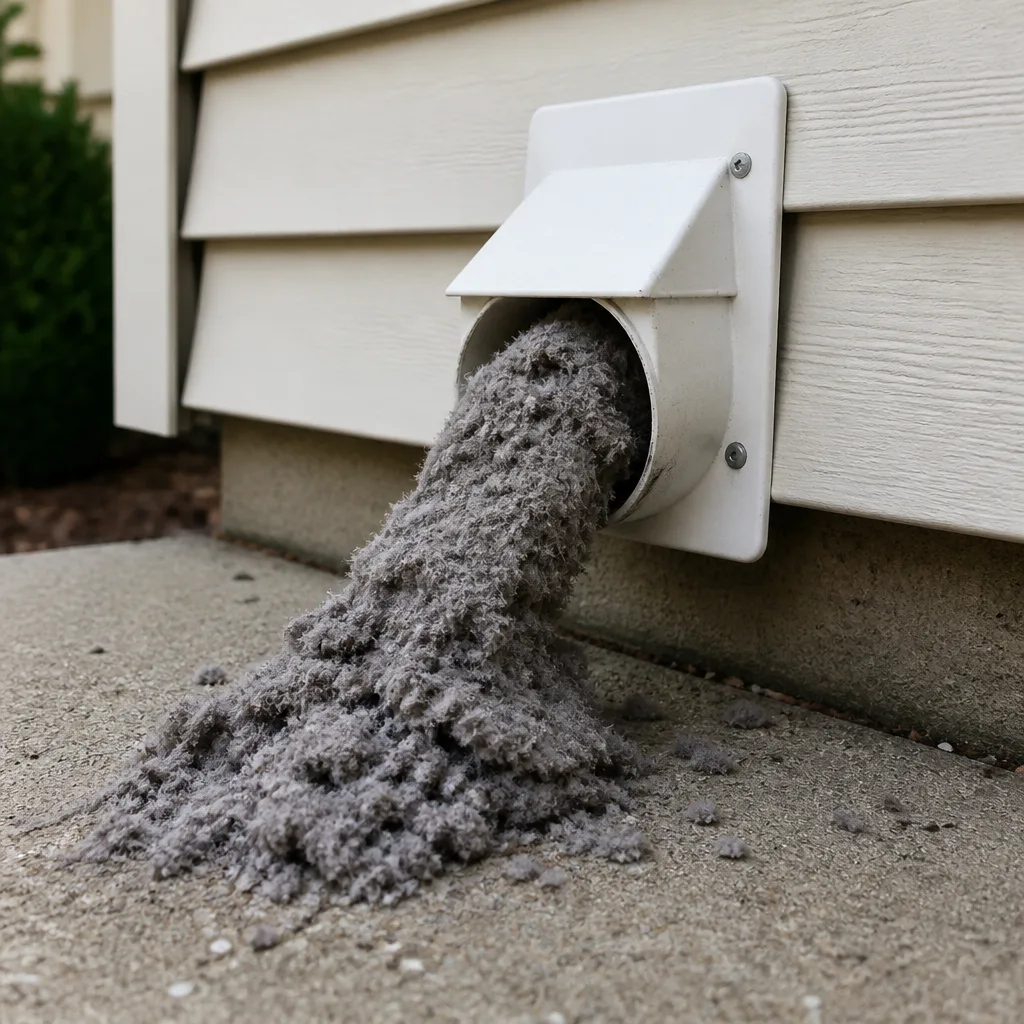 Dryer vent cleaning
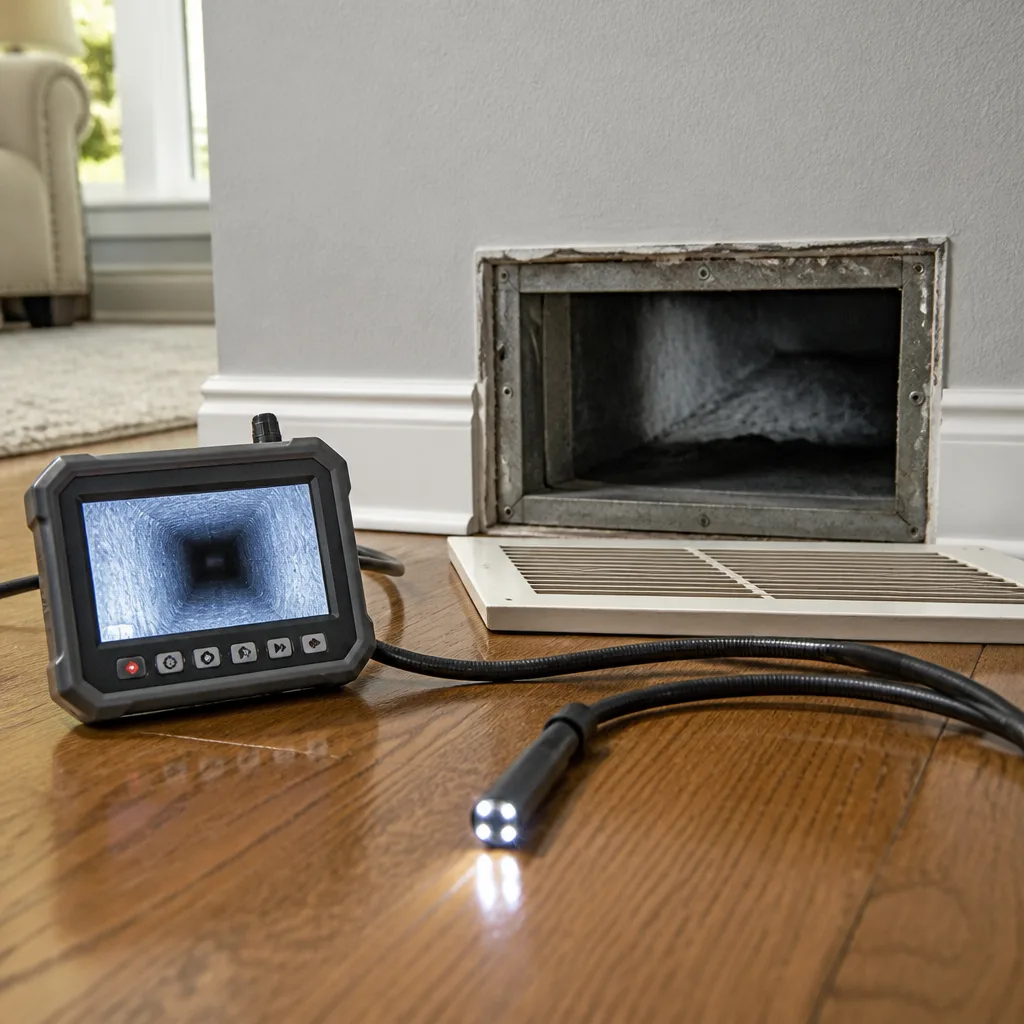 Camera inspection
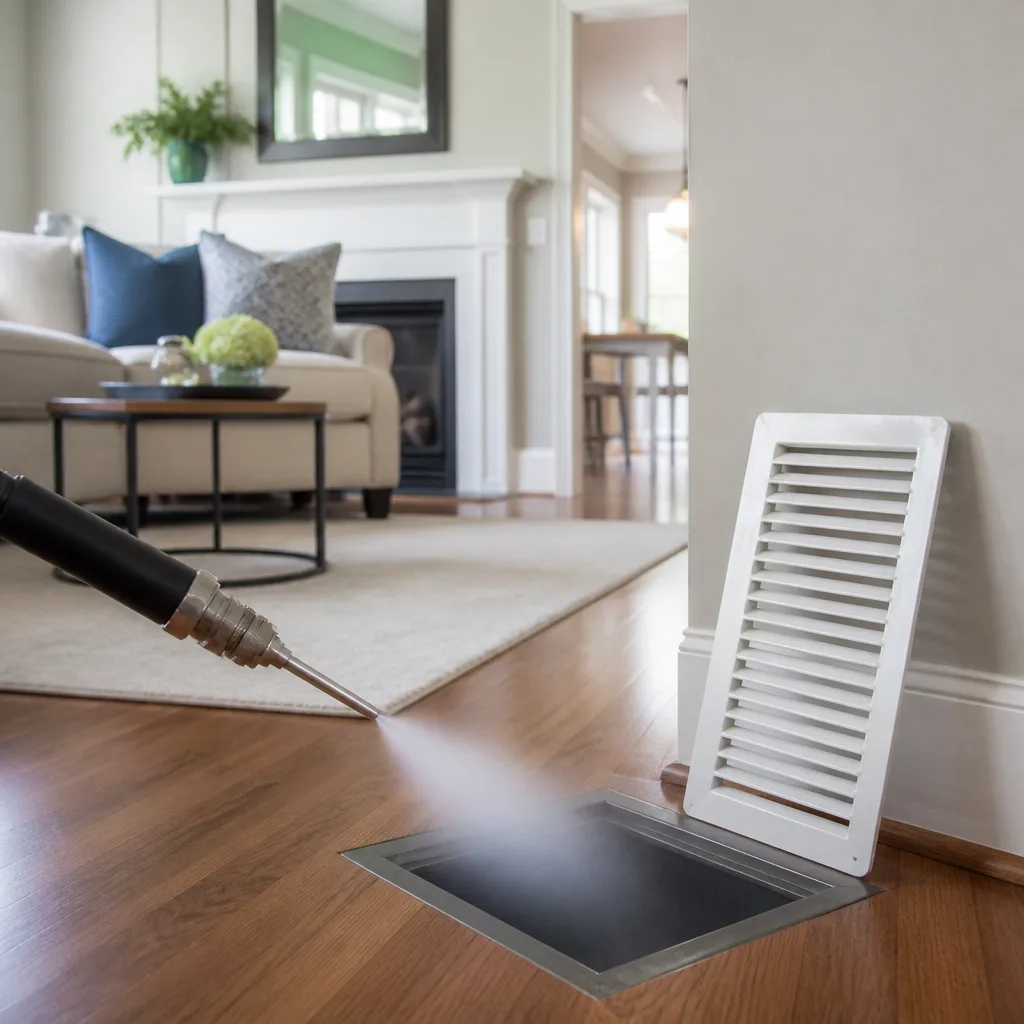 Sanitizing & deodorizing
Whole-system duct and dryer vent check with before-and-after photos - you see exactly what came out of your vents
That "$99 whole-house special" is a bait ad - the real number appears once they are in your hallway, or the "clean" is a shop-vac at the register. We photograph the inside of your ducts before and after instead.
Air Duct Cleaning Maintenance Checklist for Bedford-Stuyvesant Homeowners
Most duct advice you’ll read starts and ends with the filter. Change it every 90 days and you’re done, supposedly. Here’s the problem: the filter only protects the equipment downstream of it. It does nothing for the return plenum that feeds the whole system, and in Bedford-Stuyvesant’s older brownstones and townhouses, that plenum is often where decades of debris settle and stay. This checklist is built around what actually happens inside a Bed-Stuy building – the heating system it started with, the way it was converted, and the seasonal dust that comes with living in a dense, active neighborhood. By the end you’ll know what to inspect room by room, how to pick a filter that suits your system, and when it’s time to call a professional.
Quick Answer
A homeowner duct maintenance checklist should cover four things: filter changes matched to your system’s static pressure, a quarterly room-by-room register inspection, seasonal checks timed to Brooklyn’s pre-winter startup and post-summer humidity, and a full professional cleaning every few years – sooner if you’ve renovated, bought a converted building, or notice uneven airflow. Changing a filter without inspecting the ducts behind it only treats half the system.
Styles & brands we work with
- Whole-home duct cleaning
- Dryer vent cleaning
- Camera inspection
- Sanitizing & deodorizing
Table of Contents
- The Room-by-Room Register Inspection Protocol
- Steam-to-Forced-Air Conversion: The Red Flags
- Choosing a Filter by System Type, Not by MERV Number Alone
- Seasonal Checkpoints for Brooklyn’s Climate
- Renovation Season and the Dust It Leaves Behind
- Documentation Habits for Rental and Multi-Family Owners
- The Dryer Vent Check Most Checklists Miss
- Building Your Own Maintenance Schedule
The Room-by-Room Register Inspection Protocol
Before you call anyone, spend twenty minutes walking your home with a flashlight and a notepad. This protocol catches the problems a phone conversation can’t describe and gives a technician something concrete to work from.
Start at the register furthest from the air handler and work back toward it. At each supply register, hold a piece of tissue or thin paper against the grille while the system runs. It should be pulled firmly against the grille. If it flutters or falls away, that branch is starved – a sign of a blocked run, a disconnected flex duct, or a damper that’s stuck closed.
- Check airflow at every supply register. Compare rooms. A single weak register in a Bed-Stuy brownstone often points to a long duct run buried behind plaster or a crushed section above a dropped ceiling.
- Look into the return grille. Shine the light up into the return. You’ll see the filter and, behind it, the start of the return plenum. Visible matted dust or debris on the plenum walls is a sign the system needs more than a filter change.
- Note the color of the dust on each grille. Gray-black is normal household dust. Rust-colored streaks suggest moisture. Greenish or powdery buildup can indicate microbial growth – that’s a call-a-professional situation.
- Smell each room’s register. A musty or sour odor from one register but not others points to a localized moisture problem in that run or the room it serves.
- Record the findings on a sketch of your floor plan. Mark weak registers, odors, and visible debris. This sketch is the single most useful thing you can hand a technician.
We’ve found that homeowners who run this protocol before calling us get a faster diagnosis and a more accurate estimate, because the inspection has already narrowed down where the problem lives. In Bedford-Stuyvesant, where buildings are often a mix of original construction and later renovation, that narrowing matters.
Steam-to-Forced-Air Conversion: The Red Flags
A huge share of Bedford-Stuyvesant homes were built with steam or hot-water radiators and later converted to forced-air. The conversion itself isn’t the problem – the problem is what happens to the original ductwork and plenum space when it’s done.
When a building goes from radiators to forced air, contractors add a furnace, an air handler, and ductwork, often routed through existing chases, closets, and the space above ceilings. If the original duct liner or the old boiler flue space was repurposed without a proper cleaning, the first forced-air system simply blows through anything left behind. We’ve seen this pattern often enough that we treat any converted Bed-Stuy building as a candidate for a full inspection rather than a filter change.
Watch for these red flags:
- Duct runs that appear to pass through old flue or chimney chases. Those spaces often hold soot and debris from the old heating system that a forced-air system will distribute.
- Flex duct added to reach rooms that had radiators. Flex duct crushed or kinked in a tight chase loses airflow and collects debris at the bend.
- New-looking registers in old walls. The register may be new, but the boot behind it is often left untouched from the original construction.
- A musty smell that appears only when the heat runs. That’s a sign the heat exchanger or first duct run is picking up something from the original heating space.
- No documentation of the conversion. If you can’t find records of what the ductwork looked like when the system was installed, plan for a professional inspection to establish a baseline.
If you spot two or more of these, an air duct cleaning performed with professional mechanical agitation – not a shop vacuum – is the right starting point. It removes the accumulated material in one pass so you can see what the system is actually doing.
Choosing a Filter by System Type, Not by MERV Number Alone
MERV-13 is not automatically better. In older, low-static-pressure systems common in Bedford-Stuyvesant, a high-MERV filter can starve the blower of airflow, which reduces comfort and puts strain on the motor. Filter choice is a system decision, not a purity decision.
Here’s how we think about it:
- Older forced-air systems with narrow return ducts: a MERV-8 to MERV-11 filter is usually the right balance. It captures dust and pollen without choking airflow. If someone in the home has allergies, run a portable air cleaner in the bedroom rather than pushing the whole system to a higher MERV.
- Modern systems with generous return plenums and a variable-speed blower: these can handle MERV-13 to MERV-16 without a significant airflow drop. Check the equipment specs, or have a technician confirm the static pressure reading before you go higher.
- Systems with a 1-inch filter slot: the filter thickness limits how much media you can pack in. A 1-inch MERV-13 clogs quickly and adds resistance. If you want high filtration in a 1-inch slot, plan to change it every 4-6 weeks instead of every 90 days.
- Systems with a 4- or 5-inch media cabinet: these can take a higher MERV filter with a longer change interval. Change every 6-12 months depending on dust load and whether you have pets.
Whatever filter you choose, write the date on the filter frame with a marker. It sounds simple, and it’s the difference between a filter change schedule and a filter change wish. For homes in Bedford-Stuyvesant with a lot of foot traffic or street-facing windows, we usually recommend checking the filter monthly and replacing when you see visible loading, not on a fixed calendar.
Filter housings and return plenums also deserve a look. If your filters are dirty within a few weeks, the problem is often upstream – debris in the return duct. That’s a cleaning issue, not a filter issue, and no filter upgrade will fix it. For a deeper look at what’s happening inside the system, our hvac cleaning service addresses the equipment and the ductwork together.
Seasonal Checkpoints for Brooklyn’s Climate
Bedford-Stuyvesant weather has two pressure points that drive duct contamination: a cold, dry heating season and a humid, heavy summer. Each one affects the system differently, and each has its own checklist.
Pre-winter blower startup (late fall). Before you turn the heat on for the season, run the blower on fan-only for a few minutes and walk through the house. Listen for rattles, and smell the air at each register. A first-run dust smell is normal; a continuing musty or burning smell is not, and it warrants an inspection before the heating season gets underway.
Post-summer humidity (early fall). Brooklyn’s humid summers push moisture into ductwork, especially in basements and crawl spaces common in older Bed-Stuy buildings. Check for condensation on the outside of supply ducts, dampness around registers, and any musty odor that appeared over the summer. Humidity problems feed microbial growth, and once it’s established in a duct liner, cleaning and sanitizing addresses it. Our air quality and sanitizing work uses Aprilaire and Honeywell products to manage filtration and humidity-related concerns as part of the same visit.
Spring pollen and street dust. Bed-Stuy’s streets are busy, and spring brings both pollen and the dust kicked up by construction and traffic. Expect faster filter loading in spring. Check filters every two to three weeks during April and May.
Post-renovation dust. If you renovate (and many Bed-Stuy owners do), the dust from demolition enters the return system almost immediately. Closed-off returns and temporary filter covers help, but a full cleaning after the project is done is the only way to reset the system.
Building a seasonal routine takes one afternoon a season. For a full run through the checkpoints, see the Air Duct Cleaning Bedford-Stuyvesant overview, which walks through system types and what each one needs.
Renovation Season and the Dust It Leaves Behind
Spring through fall is renovation season in Bedford-Stuyvesant, and every gut renovation in a neighboring building sends fine dust into the air. Inside your own home, a renovation is a different scale of problem – drywall dust, sawdust, and insulation fibers all get pulled into the return system within hours of demolition starting.
Here’s what to do before, during, and after a renovation:
- Before work starts: change the filter, seal the return grilles in rooms being worked on with plastic and tape, and ask your contractor to seal the supply registers too.
- During the work: keep the system fan on low or off in the work zone, and change filters weekly if the system must run for comfort.
- After the work: replace the filter again, vacuum all registers and grilles, and open the return grille to check for dust buildup on the plenum walls. If you see visible debris, schedule a professional cleaning before you run the system for the season.
Insulation fibers are the part of renovation dust that concerns us most. They’re light enough to stay airborne and can travel deep into duct runs. If a renovation involved spray foam or blown-in insulation, plan on a cleaning as part of the project closeout, not an optional extra.
Documentation Habits for Rental and Multi-Family Owners
If you own a rental or a multi-family building in Bedford-Stuyvesant, your maintenance records are the evidence that you’ve kept up the property. That matters when a tenant raises an air quality concern, and it matters when you’re planning a sale or refinance.
Keep a single folder – paper or digital – with these records:
- Every filter change: date, filter type and MERV rating. A photo of the marked filter frame is fast and unambiguous.
- Every professional cleaning: date, service type, and the technician’s summary of what was found. Before-and-after photos of your own ducts belong here too – they’re the clearest record of what was done.
- Every repair or sealing job: which runs were repaired or sealed, and why. This is what a future buyer or property manager will want to see.
- Every air quality service: what product was used and what it addressed. If you’ve had filtration or sanitizing work, note the brand and the purpose.
- Tenant complaints and responses: if a tenant reports a musty smell or an airflow problem, log the date, your inspection findings, and the action taken.
For multi-family buildings, we recommend a shared spreadsheet covering every unit’s filter schedule, with a note on which units have had a full duct inspection. A building-wide maintenance approach keeps costs predictable and, more importantly, gives you a documented answer when a question comes up.
The Dryer Vent Check Most Checklists Miss
Air duct checklists usually stop at the HVAC system, but the dryer vent is part of the same air pathway – and it carries real risk. Lint buildup in a dryer vent is a leading cause of residential fires, and the vent is often the most neglected duct in the house.
Make this a quarterly check:
- Clean the lint filter after every load. This is basic, and it’s still the most effective action.
- Check the vent flap outside. It should open freely when the dryer runs. A flap that stays shut or is clogged with lint restricts airflow.
- Time your drying cycles. If a load that used to take 45 minutes now takes 70, the vent is likely restricted.
- Feel the exterior of the vent run. Warm, damp air escaping from a joint or a crushed section means the run needs attention.
- Look behind the dryer. A flexible transition duct that’s crushed against the wall reduces airflow and collects lint at the crush point.
Annual dryer vent cleaning is the standard we recommend for any Bed-Stuy home with a dryer. It’s included as a dedicated service here because too many duct cleaners skip it or subcontract it.
Building Your Own Maintenance Schedule
Here’s a schedule that works for most Bedford-Stuyvesant homes. Adjust intervals based on whether you have pets, a renovation in progress, or a rental property.
- Monthly: check the filter and the dryer lint filter. Look into the return grille of the system.
- Quarterly: run the register inspection protocol room by room. Check the dryer vent flap and dryer cycle times.
- Before heating season (late fall): blower startup check, filter replacement, a full register and return inspection.
- After summer (early fall): check for humidity and condensation issues, especially in basements and crawl spaces. Note any musty odors.
- Every 2-3 years: professional cleaning and inspection. Every year if you’ve renovated, have pets, or the building was recently converted to forced air.
- After any renovation: full cleaning as part of the project closeout.
Our technicians have up to 15 years of experience across systems in Bed-Stuy buildings, and we use Rotobrush rotary-brush extraction to agitate debris mechanically before Nikro equipment extracts it. That’s the difference between a cleaning that resets the system and a vacuum pass that only skims the surface.
Common Mistakes to Avoid
- Changing the filter but never looking behind it. The filter protects the equipment, not the ducts. If the return plenum is lined with compacted debris, a fresh filter just means cleaner air passing over a dirty surface.
- Choosing the highest MERV filter you can find. In Bedford-Stuyvesant’s older low-static-pressure systems, a MERV-13 filter in a 1-inch slot can choke the blower and cut airflow. Match the filter to the system, not to a label.
- Skipping a cleaning after a renovation. Drywall dust and insulation fibers settle deep in the runs. Running the system for a heating season with that debris in place spreads it through every room.
- Assuming a conversion was done cleanly. When a Bed-Stuy building went from steam radiators to forced air, the original heating spaces and chases were often repurposed without a proper cleaning. Treat any converted system as unknown until it’s been inspected.
- Neglecting the dryer vent. Lint is a fire risk, and a restricted vent also raises operating costs. It’s a quarterly check, not an afterthought.
- No documentation for rentals. If you own a multi-family building, a missing maintenance record makes it harder to answer a tenant concern and harder to prove upkeep at sale or refinance.
- Hiring a coupon operation with a shop vacuum. A low price usually reflects low equipment. They clean the easy reaches, leave the runs, and you’re back to the same problem next season.
See the difference
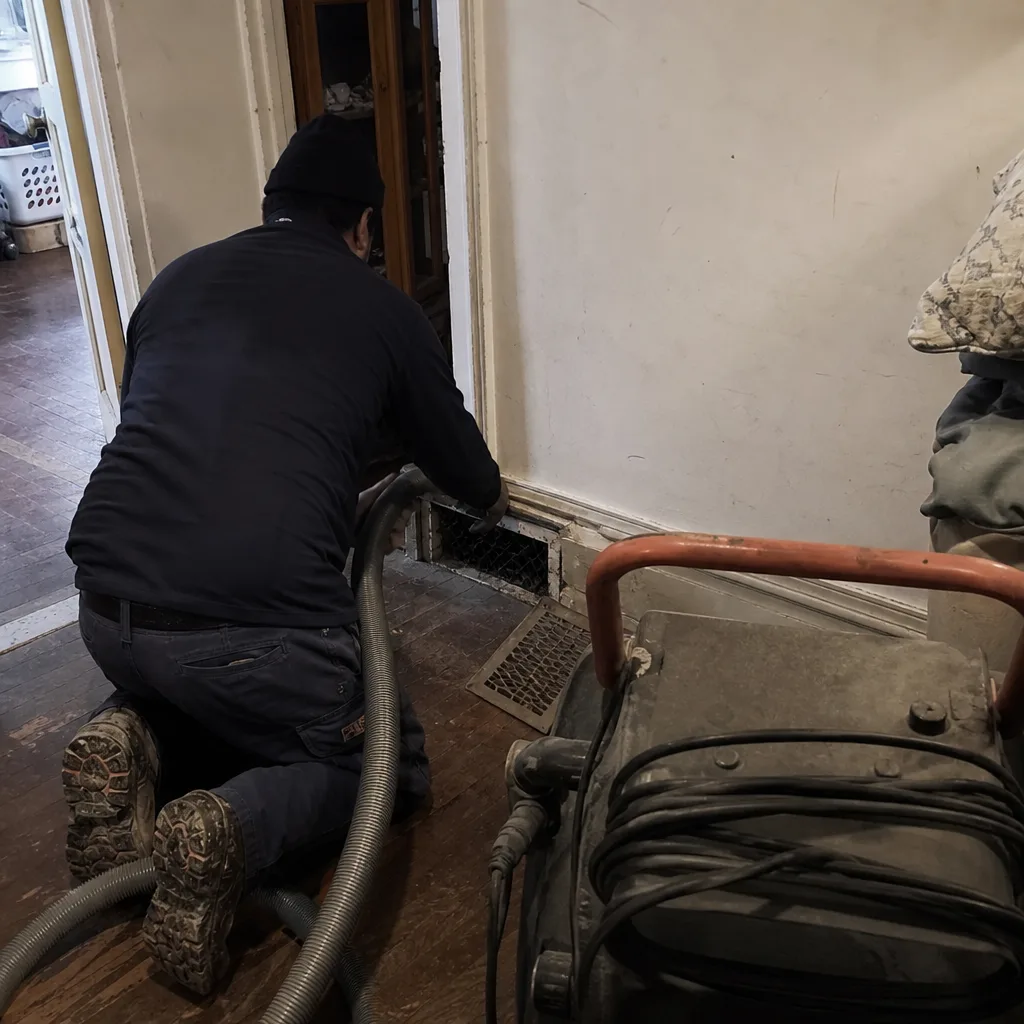 Before
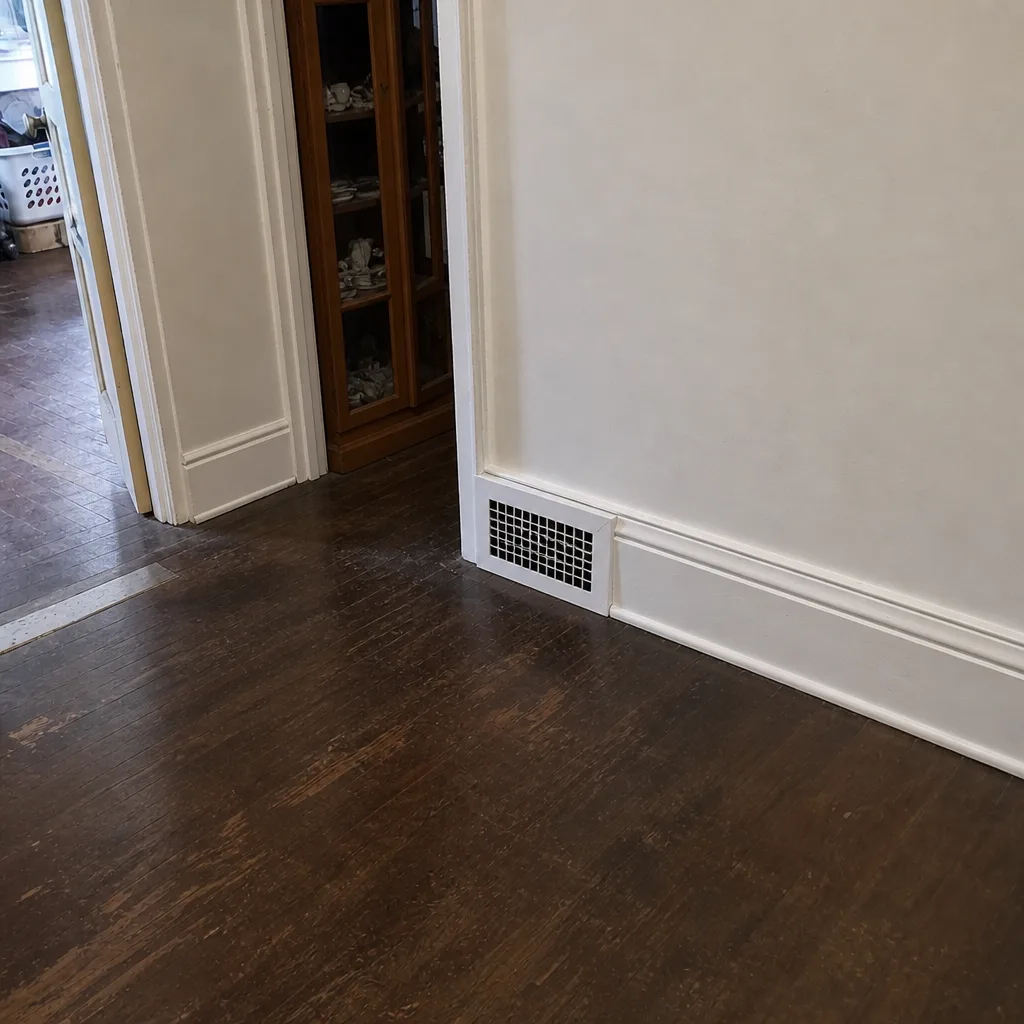 After
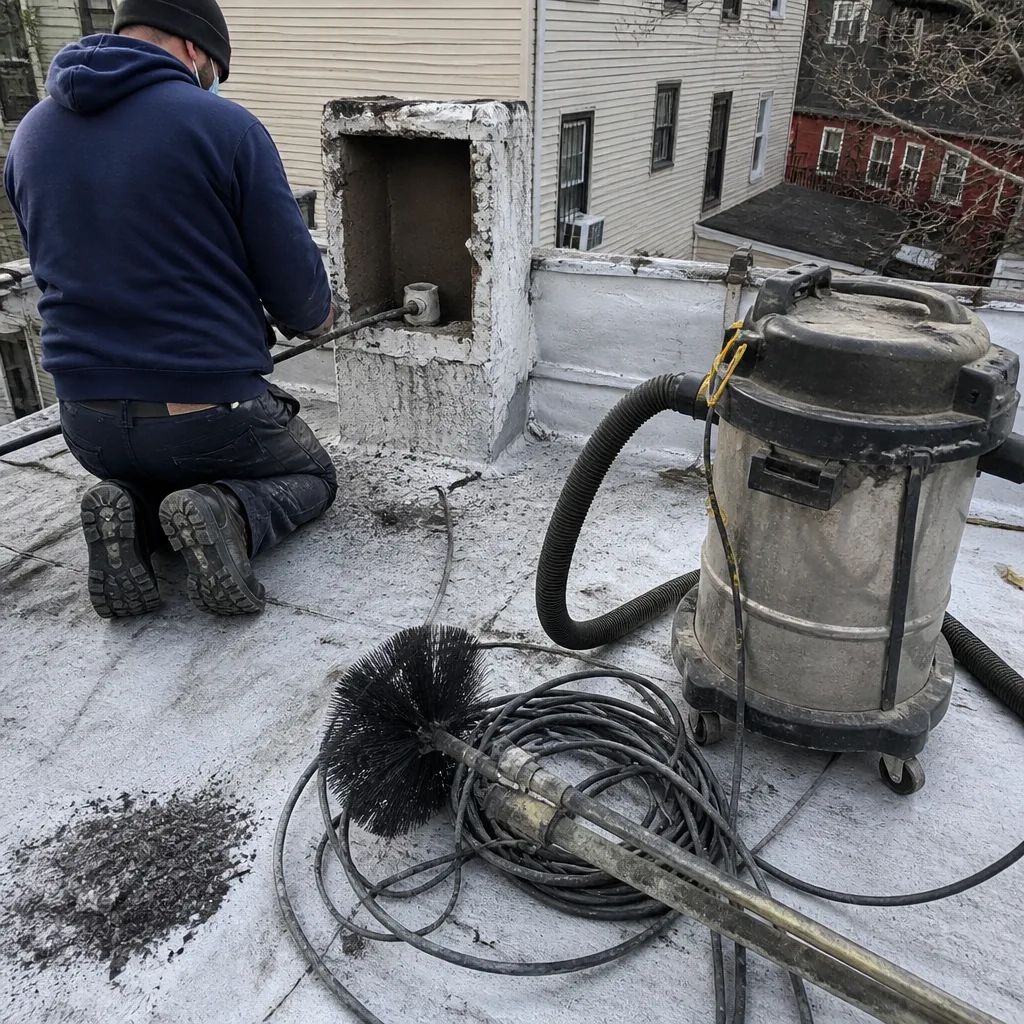 Before
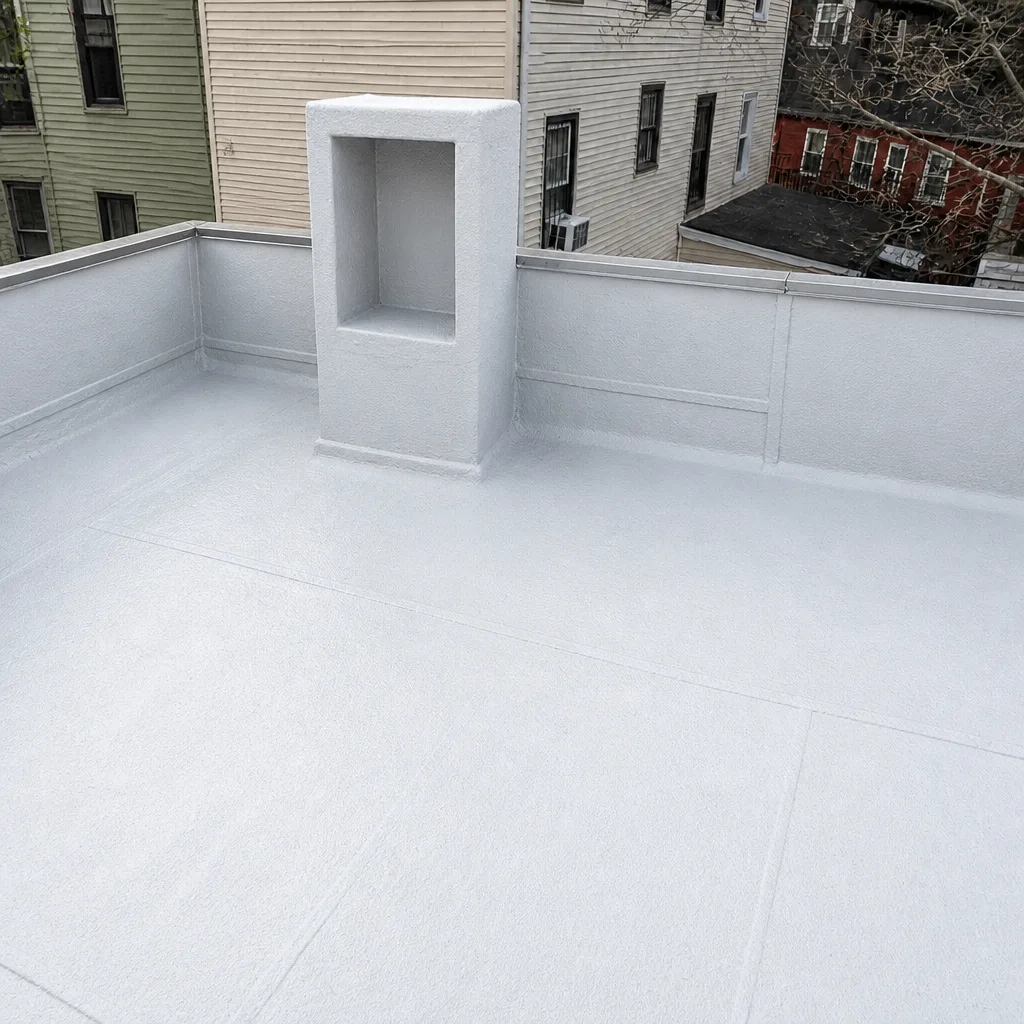 After
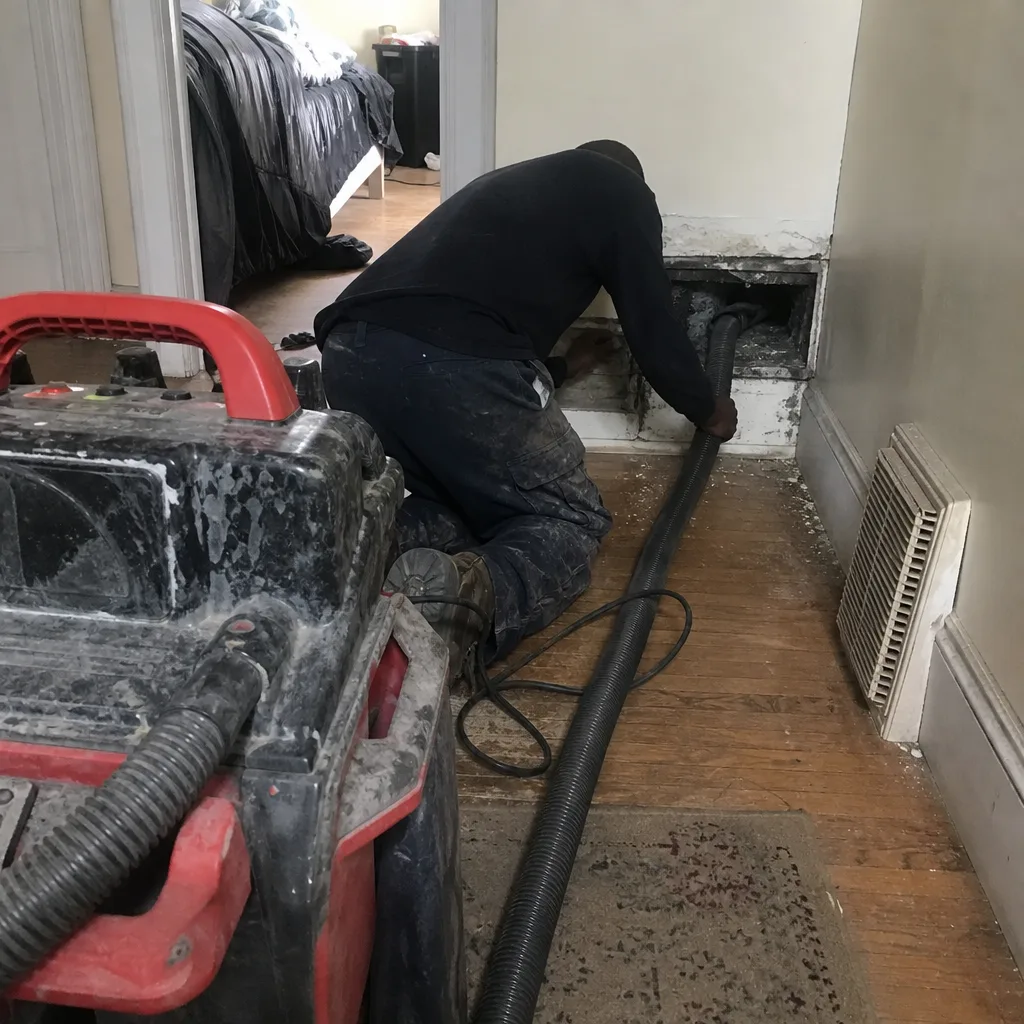 Before
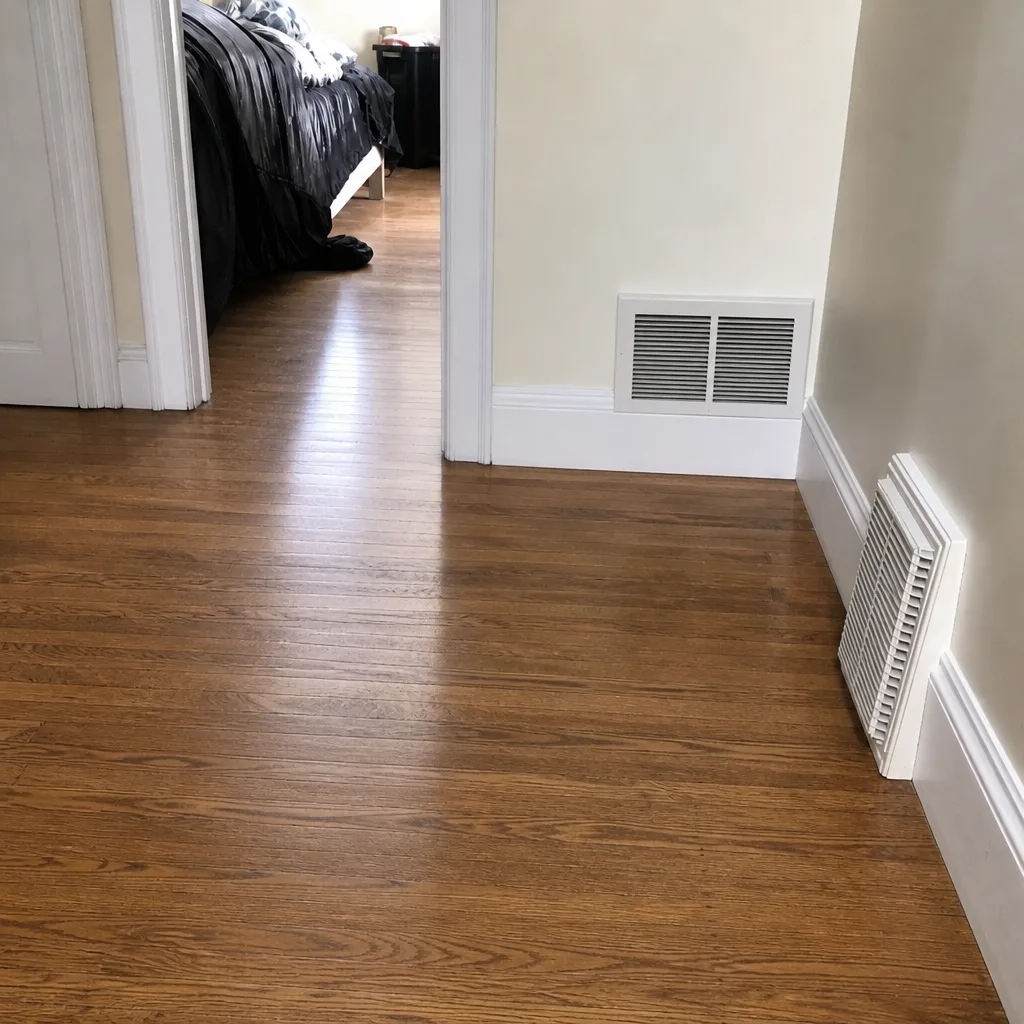 After
When to Call a Professional
Some findings are routine, and some need a trained eye. Call a professional if you see or smell any of these:
- Visible debris buildup inside the return plenum
- Musty, sour, or burning odor that persists after a filter change
- Weak airflow at one or more registers after repeated filter changes
- Greenish or powdery buildup around a register
- A building that was converted from steam to forced air with no documentation of the changeover
- A renovation closeout where the system ran during the work
Air Duct Cleaning Bedford-Stuyvesant offers free estimates in Bedford-Stuyvesant – call (866) 665-7533 for a written estimate that sets the price per job before any work starts. We use professional-grade equipment and provide before-and-after photos as part of every cleaning.
Frequently Asked Questions
Every two to three years for most homes, and every year if you’ve recently renovated, own pets, or live in a converted building where the original ducts predate the forced-air system. A register inspection in between cleanings tells you whether you can wait. Call (866) 665-7533 for an estimate if you’re unsure which interval fits your building.
No. MERV-13 is a good choice for modern systems with generous return plenums and variable-speed blowers, but in older low-static-pressure systems, it can choke airflow and strain the blower. Match the filter to your equipment’s static pressure, or have a technician confirm the reading before you upgrade. Call (866) 665-7533 for an exact quote on a cleaning and inspection.
You can’t know for certain without an inspection, but the red flags are new-looking registers in old walls, flex duct crushed in tight chases, musty smells only when the heat runs, and no documentation of the changeover. Any two of those warrant a professional cleaning. Call (866) 665-7533 for an estimate.
If the system ran during demolition or sanding, yes. Drywall dust and insulation fibers travel through the return and settle in the runs. A cleaning as part of project closeout resets the system and protects the blower motor from the debris that would otherwise shorten its life. Call (866) 665-7533 for a written estimate.
No, not effectively. A shop vacuum doesn’t have the airflow to agitate and extract debris from deep in the runs, and it can distribute dust back into the rooms. Professional cleaning uses mechanical rotary brushes and high-powered extraction equipment that reaches the full length of the duct. Call (866) 665-7533 for an exact quote.
Keep filter change dates, all professional cleaning and repair records, air quality service records, and a log of tenant complaints and responses. These records are your evidence of upkeep. They also make future inspections and sales easier to document. Call (866) 665-7533 to schedule a cleaning and start a documented maintenance record.
The Bottom Line
A duct maintenance checklist isn’t a filter reminder. It’s a property-specific inspection routine timed to what your building actually goes through – the conversion from steam to forced air, the humid Brooklyn summers, the busy renovation seasons, and the dry winter heating that pulls moisture out of the air. Run the room-by-room register protocol quarterly, choose filters by system static pressure rather than MERV alone, and schedule professional cleaning on a schedule that fits your building. Keep records if you own a rental. Check the dryer vent every quarter. When something on the list points to a problem, get it checked by a technician with the right equipment.
Call (866) 665-7533 for a free estimate. We answer 24/7. Fast dispatch from 7am to 7pm, Sunday through Friday.
Written by the team at Air Duct Cleaning Bedford-Stuyvesant.