
Last updated November 22, 2026
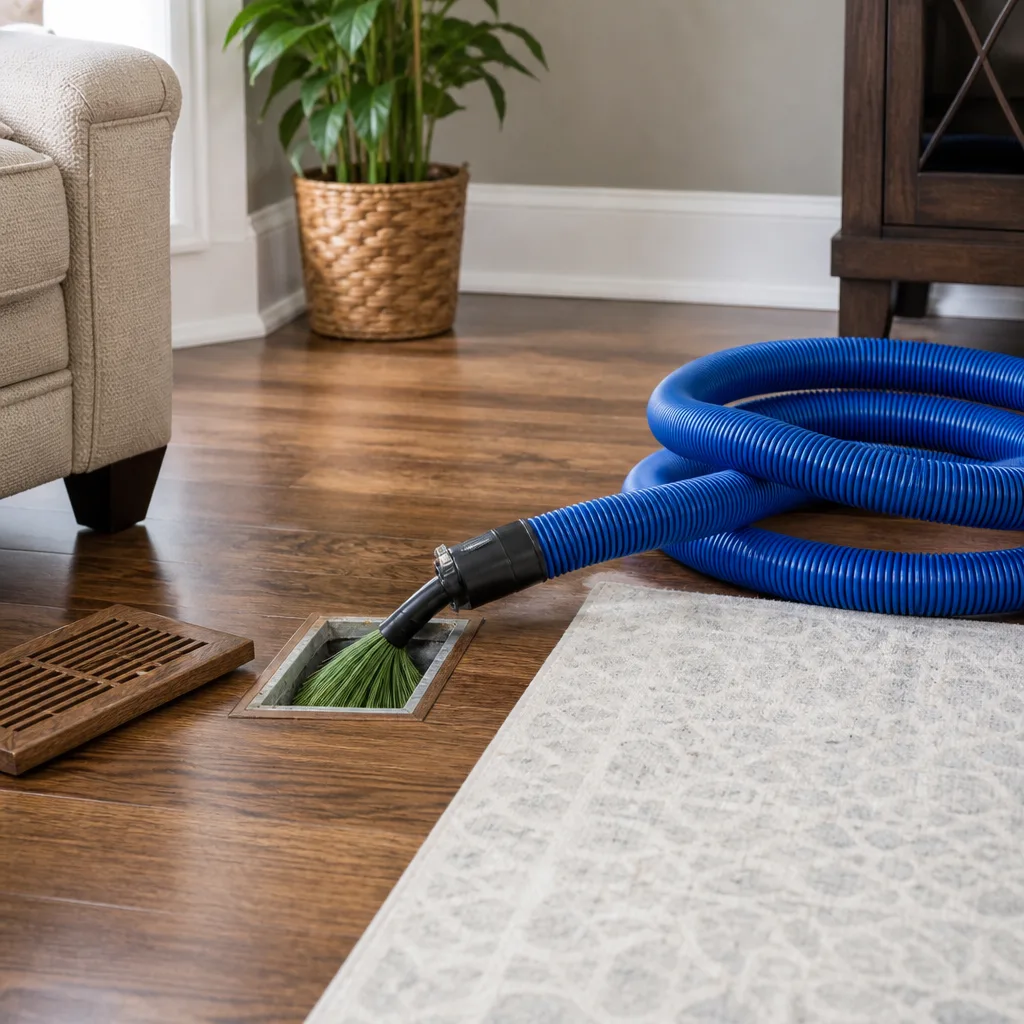 Whole-home duct cleaning
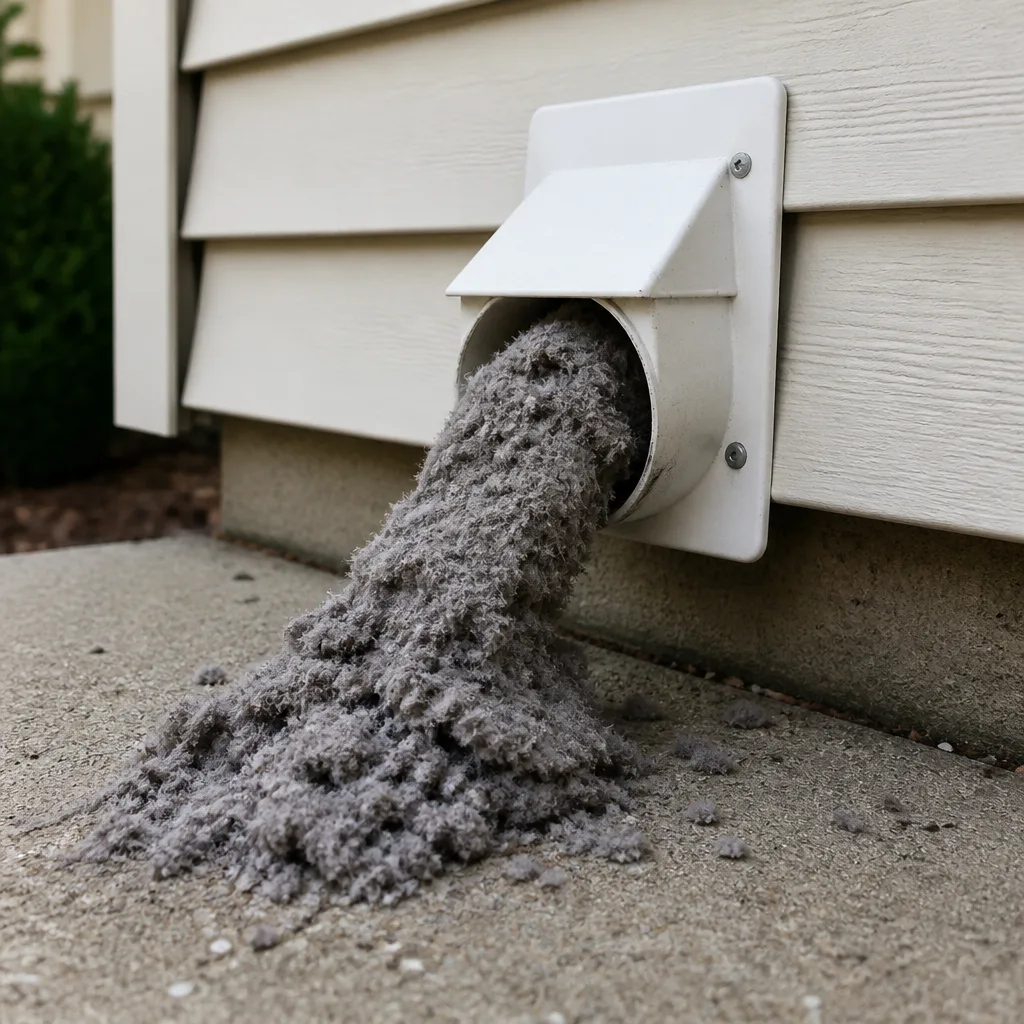 Dryer vent cleaning
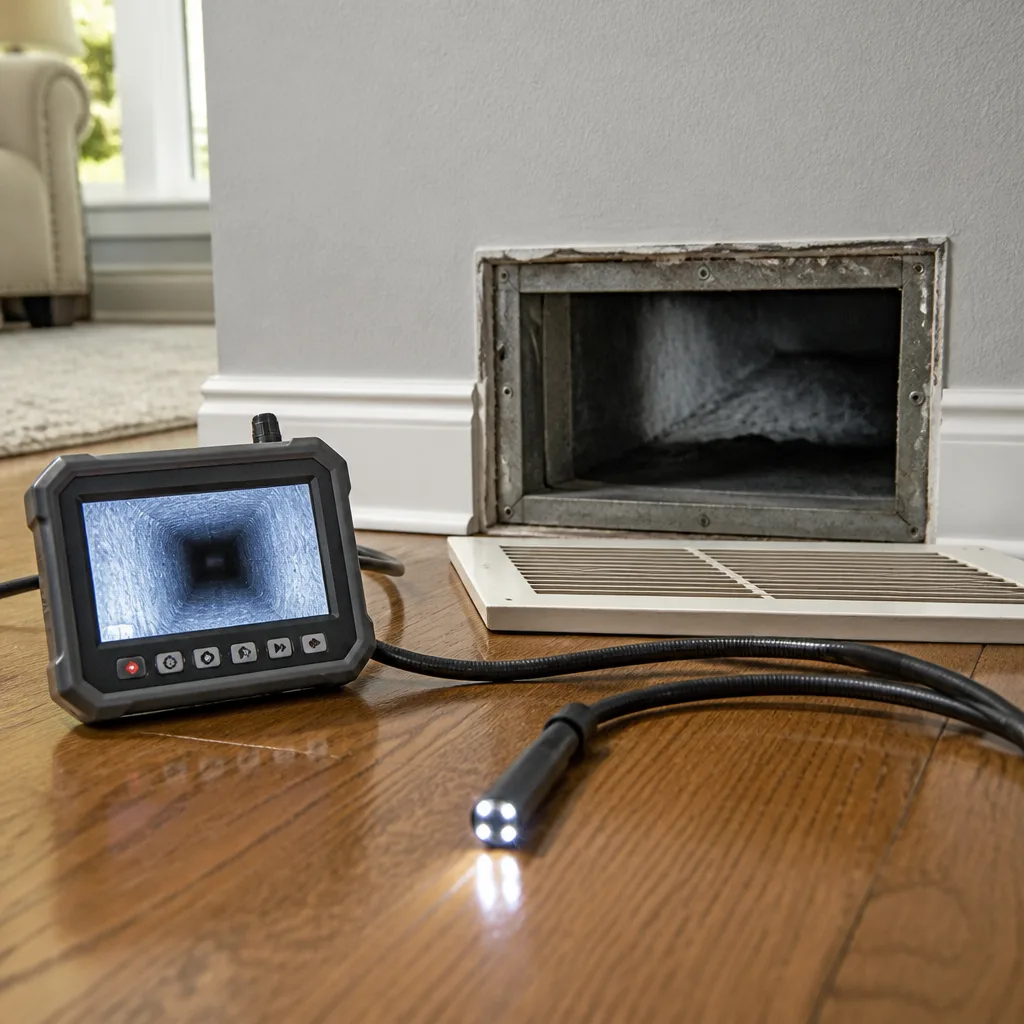 Camera inspection
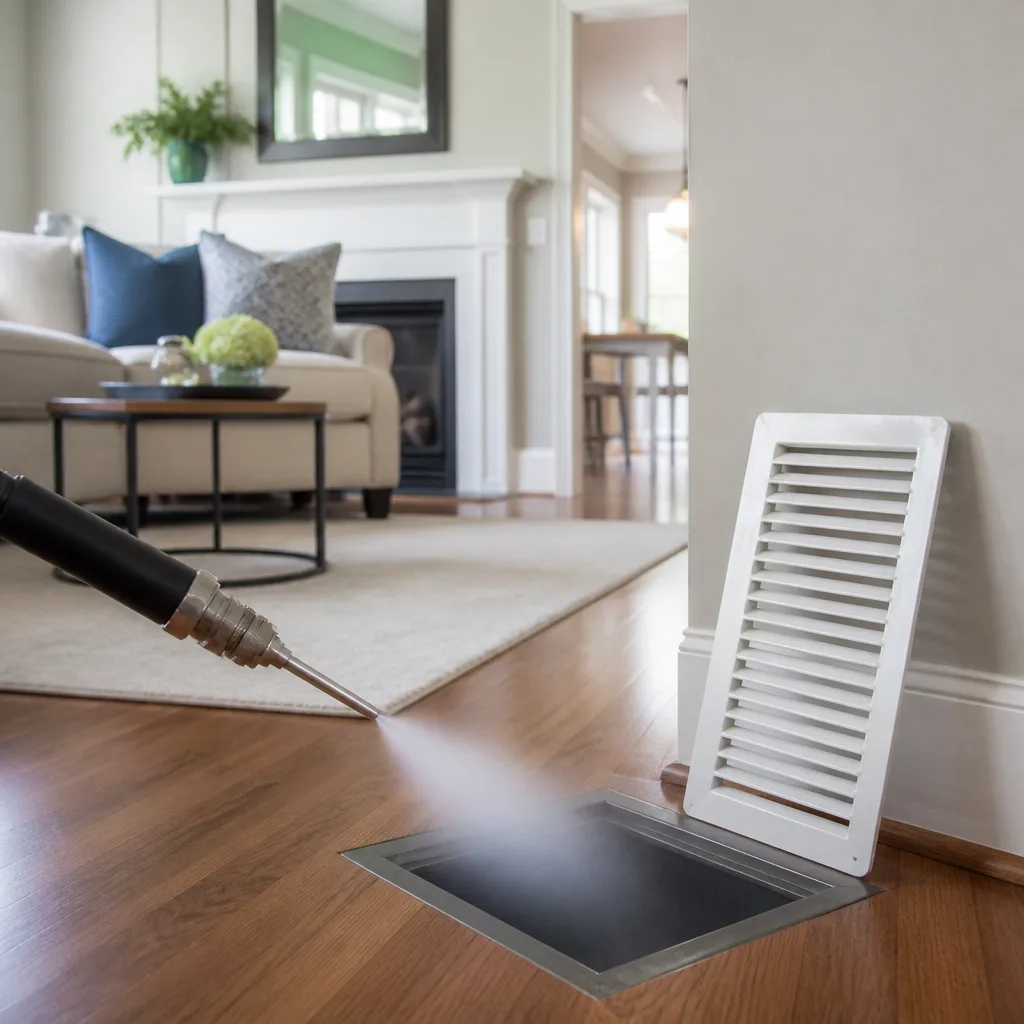 Sanitizing & deodorizing
Whole-system duct and dryer vent check with before-and-after photos - you see exactly what came out of your vents
That "$99 whole-house special" is a bait ad - the real number appears once they are in your hallway, or the "clean" is a shop-vac at the register. We photograph the inside of your ducts before and after instead.
Air Duct Cleaning Warning Signs: A Bedford-Stuyvesant Homeowner’s Reference Guide
Dust on your registers is a late-stage warning sign. By the time you’re wiping visible buildup off supply grilles, the duct lining and blower wheel have typically been accumulating for years. The indicators that actually matter show up earlier and quieter: a room that never gets as warm as the rest, a filter that loads up faster than it used to, a blower that sounds different than it did last winter. This reference guide teaches you to read the system itself, not just the air, so you can spot a duct problem in a Bedford-Stuyvesant brownstone or rowhouse years before it turns into an air quality complaint.
Quick Answer
The clearest warning signs that air ducts need attention in Bedford-Stuyvesant are mechanical, not visual: uneven airflow between rooms, filters that clog unusually fast, blower noise that has changed, musty or rodent-like odors from vents, sagging flex duct, and debris patterns at return grilles. Visible register dust is usually the last sign to appear, not the first. If you notice two or more of these together, it’s worth a professional inspection before you spend money on cleaning.
Styles & brands we work with
- Whole-home duct cleaning
- Dryer vent cleaning
- Camera inspection
- Sanitizing & deodorizing
Table of Contents
- Early Mechanical Indicators Most Homeowners Miss
- What Uneven Airflow Between Rooms Is Telling You
- Why Your Filter Is Loading Faster Than It Used To
- Odor Diagnostics: Mold, Rodents, or Off-Gassing?
- Visual Checks You Can Do Without Tools
- Post-Renovation Red Flags in Bed-Stuy Gut Rehabs
- Cleaning vs. Repair: Which Comes First?
- The Warning Signs Most Duct Guides Skip
Early Mechanical Indicators Most Homeowners Miss
A duct system tells you it’s struggling through how it moves air, not through what you can see on a grille. The trouble is that these signals develop slowly, over heating and cooling seasons, so the change feels normal by the time it’s significant. In Bedford-Stuyvesant’s older rowhouses and brownstones, where ductwork was often retrofitted into buildings that were never designed for it, those signals tend to show up earlier than in newer construction.
Here’s what to actually listen and look for. None of these require opening a wall or calling anyone in:
- Airflow you can feel is weaker than it was. Hold your hand at each supply register in the house. If the back bedroom pushes noticeably less air than the front rooms, something in the run to that room is restricted, disconnected, or crushed.
- The blower sounds different. A blower wheel caked with dust and debris doesn’t spin the same way a clean one does. It may hum louder, rattle, or take on a droning quality. A change in pitch or volume is a mechanical clue, not a cosmetic one.
- Rooms heat or cool unevenly. When one side of the house never quite catches up, restricted flow in the duct path is a common reason.
- Your filter loads faster than it used to. More on this in its own section below, because it’s one of the most reliable early indicators.
- Cycling has gotten shorter or more frequent. A system working against restricted or dirty airflow tends to run differently. That’s an HVAC observation worth passing to a technician.
Two or more of these together is a pattern. One alone is worth watching. When the pattern points to the ductwork itself, an inspection tells you whether air duct cleaning is the answer or whether something upstream needs fixing first.
What Uneven Airflow Between Rooms Is Telling You
Uneven airflow between rooms is one of the earliest and most reliable signs that ductwork needs attention. It almost always means the path to that room is compromised somewhere, and the cause is usually physical rather than a thermostat setting you haven’t found yet.
In Bedford-Stuyvesant’s rowhouses, duct runs often have to snake through tight spaces between floors, around original structural beams, and behind walls that were never planned around central air. That geometry makes certain failure points common:
- Disconnected or slipped joints. A flex duct run that’s come loose at a collar dumps conditioned air into a wall cavity instead of the room. The room gets weak airflow and the cavity collects dust.
- Crushed or kinked flex duct. Flexible duct that was bent too sharply during installation restricts flow for the life of the run.
- Sagging runs. Flex duct that sags between supports collects debris at the low point and narrows the passage.
- Closed or blocked registers. Sometimes it’s simpler than you think. Check that every supply and return in the path is open and unobstructed by furniture or rugs.
Here’s how to isolate the issue without tools:
- Set the system to fan-only and walk the house.
- Note which rooms feel strong, weak, or dead.
- Check that each register is open and clear of obstructions.
- Look at the return grille nearest the weak rooms for debris buildup or a filter that’s overdue.
- Write down the pattern. A professional can use that map to find where the run is failing.
If several rooms are weak at once, the problem is more likely in a main trunk line or the blower than in individual branches. That’s when HVAC cleaning and a mechanical inspection of the air handler become the place to start.
Why Your Filter Is Loading Faster Than It Used To
A filter that clogs faster than it used to is one of the most trustworthy early warning signs there is, because it’s easy to measure and hard to fake. If a filter that used to last a full season now looks grey and packed in half that time, more particulate is moving through the return system than before. The question is where it’s coming from.
Several things cause accelerated filter loading. Notice which ones fit your situation:
- Dust and debris shaken loose inside the ducts. As a dirty duct system moves air, accumulated material breaks free and heads straight for the filter.
- Return-side leaks. A return duct that’s pulled apart at a joint can draw dust from a wall cavity or basement into the airstream.
- Recent construction or renovation. Drywall dust is relentless, and it finds the return system quickly.
- Filter mismatch. A filter rated far denser than the system was built for can load fast and also strain airflow. Going higher on filtration isn’t automatically better if the blower can’t push through it.
The practical move is to track it. Note the date you install a filter and the date it looks spent. If that window keeps shrinking across a couple of cycles, you’ve got data, and data is what turns a hunch into a decision. Bring that timeline to an inspection. It helps narrow down whether the source is in the ducts, at a leaking return, or simply the filter you’re running.
Odor Diagnostics: Mold, Rodents, or Off-Gassing?
Odors coming from vents are diagnostic gold if you can tell them apart. Three very different problems produce three different smells, and knowing which one you’re dealing with tells you whether you need a standard clean, a sanitizing service, or a repair job that seals a physical opening.
The mold smell
Mold and mildew in ductwork produce a musty, damp-earth smell, often strongest when the system first kicks on or in humid stretches of summer. Bedford-Stuyvesant’s dense, older building stock holds moisture in basements and between walls, and any duct that’s been damp or has condensation issues can support growth. A musty smell paired with allergy symptoms that flare up when the system runs is a strong signal. This is the case where cleaning alone may not be enough. Sanitizing with filtration and containment equipment, and addressing the moisture source, is the real fix.
The rodent smell
Rodent activity in ductwork has a sharper, more ammonia-like or stale-urine quality, and it often shows up in specific rooms rather than everywhere. Droppings, nesting material, and the smell itself can collect in branch runs, especially in older buildings where gaps and penetrations give animals a way in. If you smell it, don’t just clean. Seal the way they’re getting in, or they’ll be back.
The construction off-gassing smell
New materials, adhesives, paints, and sealants release chemical odors as they cure. If a smell appeared around the same time as a renovation, it may be off-gassing that the HVAC system then distributed through the house. That’s a ventilation and filtration question more than a cleaning one, though a system full of construction dust rarely helps.
When the smell is mold or rodent related, the response matters. We use professional-grade equipment, including Abatement Technologies negative-air and filtration gear, the same class of tools used in contaminant remediation, because a smell is a symptom of something physical in the system, not just an inconvenience.
Visual Checks You Can Do Without Tools
You don’t need equipment to read several of the clearest warning signs. A careful look at a handful of accessible spots tells you a lot about the state of the system. Run through these:
- Look at the supply registers. Light dust is normal. Dark striping around the edges, visible soot-like film, or debris on the fins is a sign of more than surface dust.
- Examine the return grille for debris patterns. The return is where everything comes home. Heavy buildup, lint, or an obvious coating of dust around the return frame points to a system moving more material than it should.
- Check accessible flex duct for sagging. Where ductwork is visible, in a basement or utility area, look for runs that sag between supports, kink at bends, or come loose at a collar. Sagging collects debris and restricts air.
- Feel for weak or absent flow at registers. A register with barely any air moving is a red flag worth mapping.
- Look for rust, water staining, or discoloration near the air handler or on duct surfaces. Moisture is a separate problem that cleaning won’t solve on its own.
- Sniff the air at a few registers on startup, once the system has been off a while. First-on odors are among the earliest indicators.
What you’re doing is building a picture. When several of these line up, you’ve gone past a guess and into a reason to get eyes on the system. If you decide it’s time, the place to start is a professional assessment of air duct cleaning in Bedford-Stuyvesant and what the system actually needs.
Post-Renovation Red Flags in Bed-Stuy Gut Rehabs
Renovation is the single most reliable way to load a duct system with debris in a short window. In Bedford-Stuyvesant, where gut rehabs and major renovations are a constant part of the neighborhood’s older housing stock, this is a warning-sign category of its own. A newly finished home can have a system that’s dirtier than it will ever be again, and most people never check.
Here’s what to watch for after any construction or remodeling work:
- Drywall dust in the system. Sanding and cutting drywall produce fine dust that gets pulled into the returns, coats duct lining, and settles on the blower wheel. It doesn’t disappear once the work is done.
- Duct covers left off during construction. When registers and returns aren’t sealed off while walls and ceilings are opened, debris goes straight into the duct runs.
- Debris left in the system after demolition. Plaster, insulation, wood chips, and construction fragments can end up inside runs and trunk lines.
- New duct runs connected but not sealed at joints. Fresh installs and extensions need the joints sealed properly or they leak into cavities.
- A new HVAC system paired with old ductwork. A new air handler pushing into an old, dirty, or leaky duct system won’t perform the way it should.
If you’ve just finished a renovation, get the system inspected and cleaned before you settle in and forget about it. It’s also the moment to confirm the ductwork was reconnected properly and sealed. That combination of a post-renovation cleaning and a duct integrity check is where end-to-end capability matters: clean it, then repair and seal it, rather than stopping halfway.
Cleaning vs. Repair: Which Comes First?
This is the question most warning-sign guides skip, and it’s often the most expensive one to get wrong. Not every sign points to cleaning. Some point to a repair or sealing job that has to happen first, or the cleaning won’t hold. Reading the sign correctly is what saves you from paying for a clean twice.
Use these as a decision guide:
- The signs point to cleaning when airflow is generally fine but there’s debris buildup, filter loading that’s picking up, mild odors, and register or return grille findings that suggest material accumulation. A thorough mechanical clean handles it.
- The signs point to repair first when duct runs are disconnected, sagging, crushed, or leaking at joints. Cleaning a leaky system just means the dust comes back and you lose conditioned air. Sealing comes first.
- The signs point to sealing when you feel airflow escaping into a wall or are paying to heat or cool a cavity. Proper sealing closes the gap and makes the clean count.
- The signs point to sanitizing when there’s a genuine mold or microbial smell, or a contaminant concern that calls for filtration and containment, not just a scrub.
When you’re unsure, don’t guess. A single company that handles cleaning, repair, sealing, and air quality work can tell you which one your system actually needs instead of selling you the only service they offer. Our full-scope work covers all of it, from mechanical cleaning with Rotobrush and Nikro systems through in-house duct repair and sealing. Working with professional-grade equipment rather than consumer shortcuts means the mechanical clean is thorough enough to matter.
The Warning Signs Most Duct Guides Skip
A guide focused on the HVAC system misses one duct path that fails quietly and dangerously: the dryer vent. Lint buildup in a dryer vent is a leading cause of residential fires, and the signs of a clogged or failing vent are every bit as much warning signs as anything happening in your supply ducts. In Bedford-Stuyvesant’s older buildings, where dryers are often set far from an exterior wall, long vent runs make the problem worse.
Watch for these:
- Clothes that take longer than one cycle to dry.
- A dryer that gets unusually hot to the touch on the top or door.
- A burnt or scorched smell when the dryer runs.
- Lint visible around the vent opening or collecting behind the dryer.
- A vent flap outside that doesn’t open fully, or is clogged with lint.
- A dryer that shuts off unexpectedly, which can be its internal safety catching a heat buildup.
Our advice is direct: your dryer vent is a fire risk, and we handle that too. Regular dryer vent cleaning clears the lint that collects over time, and it’s a service most duct-only cleaners either skip or hand off. It belongs in the same system-thinking as the rest of your airflow concerns.
Common Mistakes to Avoid
- Wiping the registers and calling it done. Cleaning your supply grilles removes the dust you can see and nothing inside the system. The blower wheel and duct lining stay loaded, and the registers collect again.
- Skipping the post-renovation clean. Finishing a gut rehab without cleaning and sealing the duct system leaves drywall dust and debris inside for years. That’s not a small oversight; it’s the whole problem, addressed late.
- Choosing a cleaner on the lowest coupon price. A discount rate that balloons once the technician is inside is the industry’s bait-and-switch. Ask for one flat price per system, set before any work starts, and get it in writing.
- Cleaning when the real problem is a disconnected or leaking duct. If the system leaks, cleaning it just puts dust back into the airstream. Fix the leak and seal it first.
- Ignoring the dryer vent because it’s “separate.” It’s the highest-stakes duct path in the house and deserves the same attention as your supply lines.
- Treating a musty smell as normal. First-on odors and a lasting musty smell usually point to moisture and microbial growth, which need sanitizing and a moisture fix, not air freshener.
- Assuming a new HVAC install solves a dirty duct system. A new air handler connected to dirty, leaky ductwork still moves dirty, leaky air.
See the difference
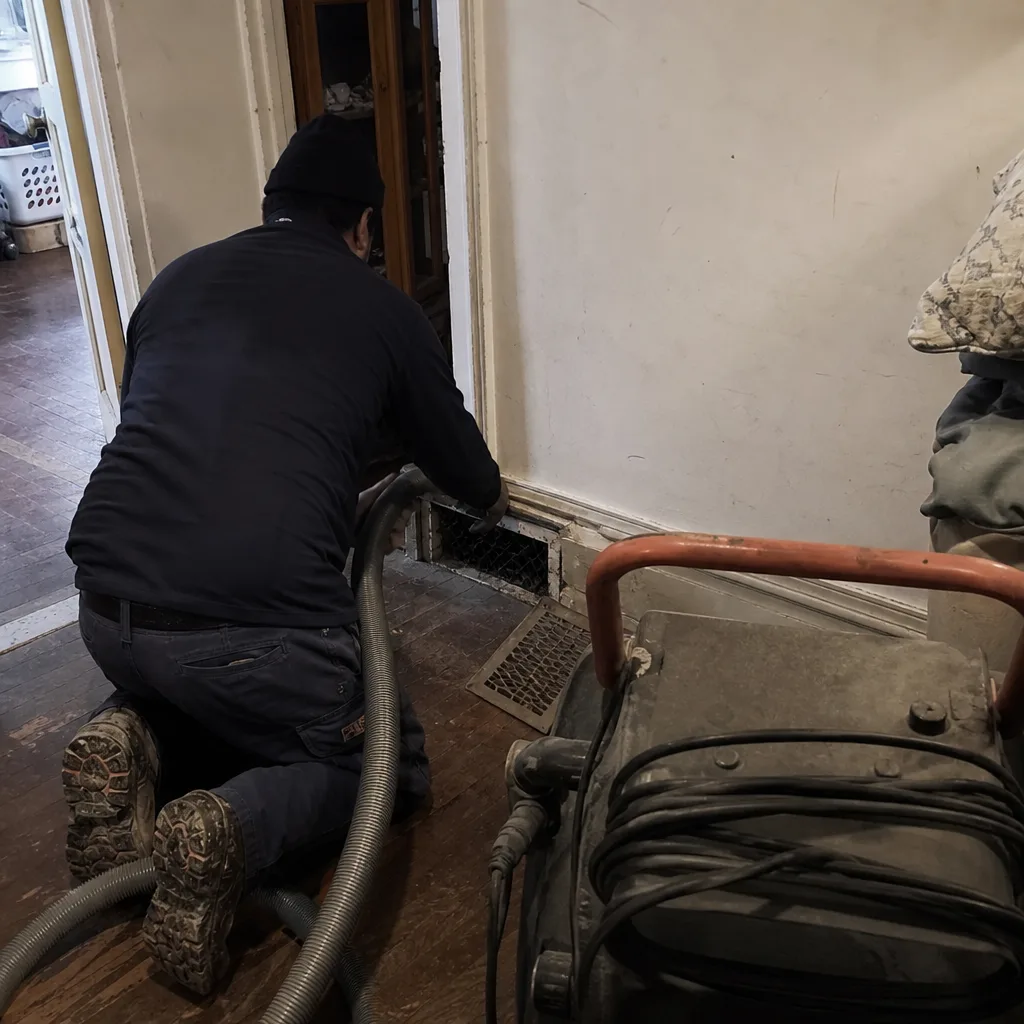 Before
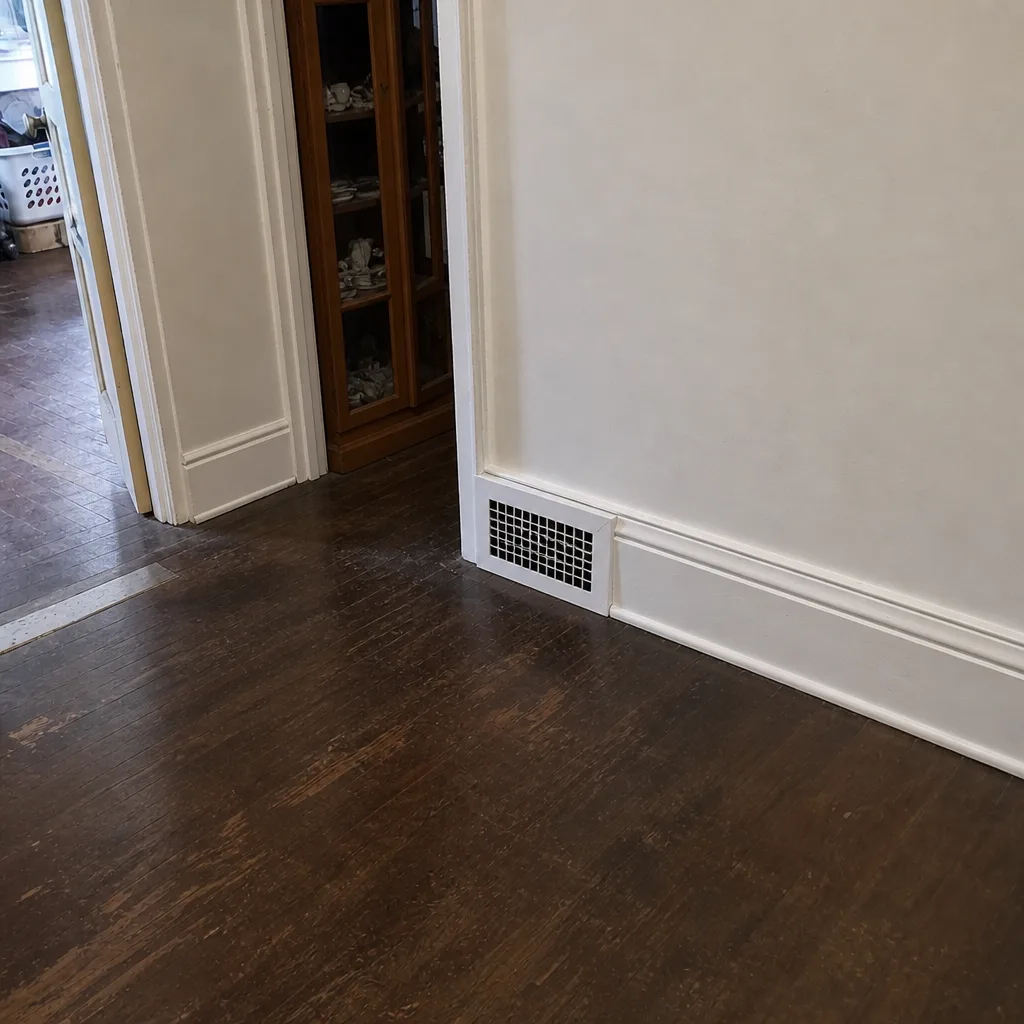 After
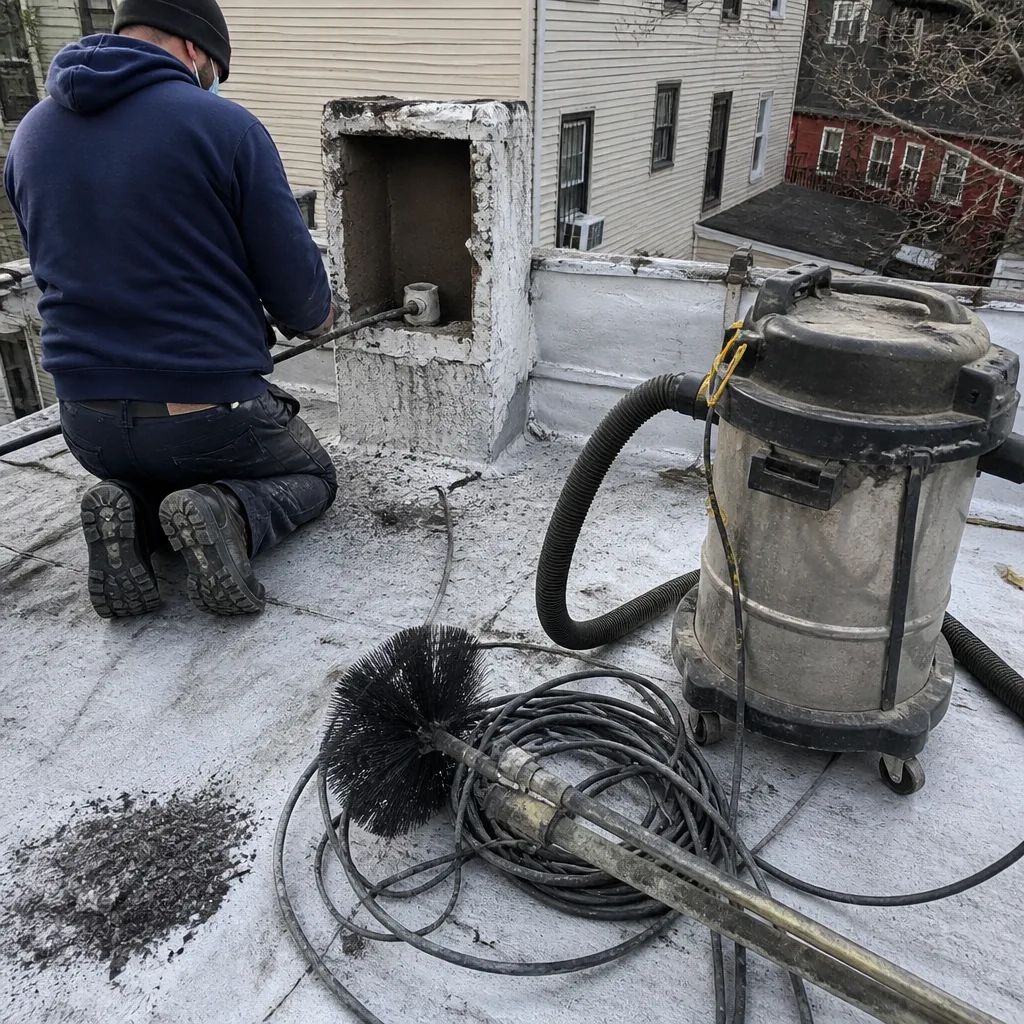 Before
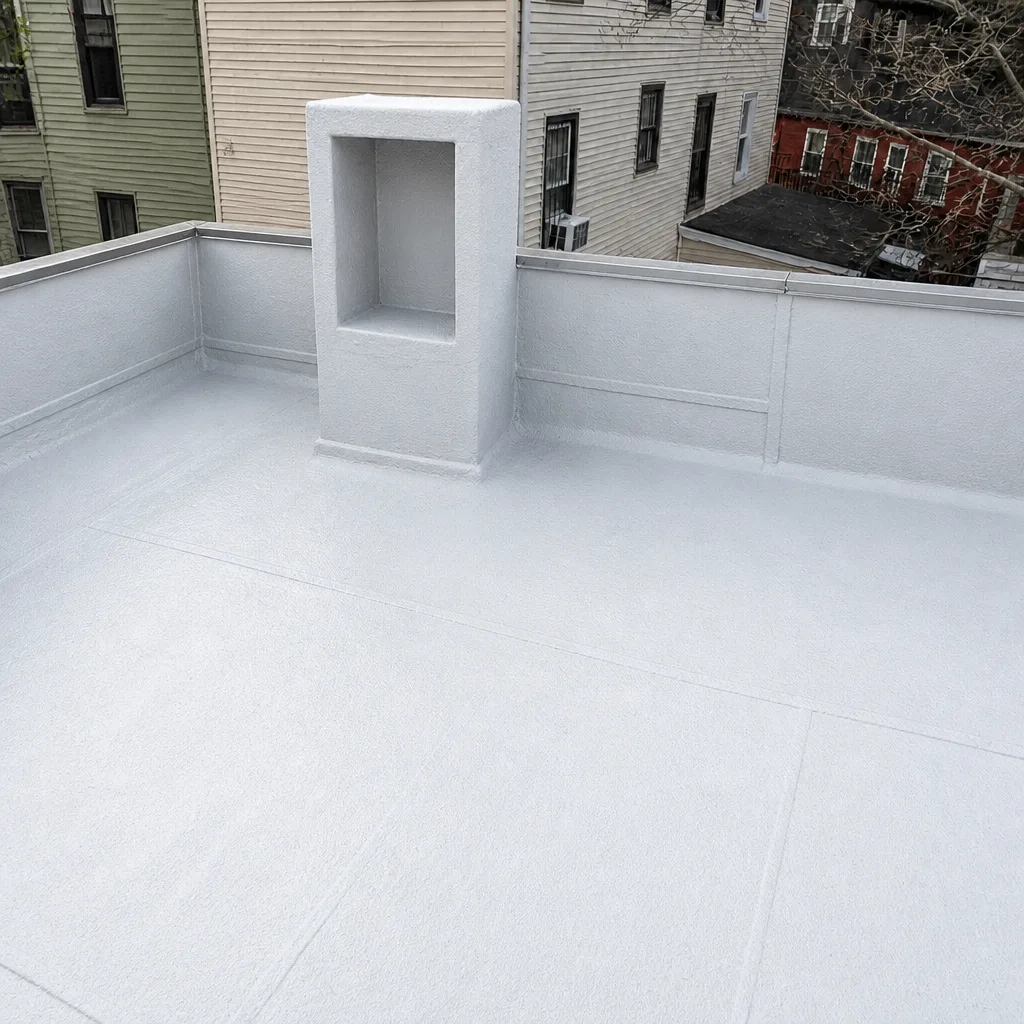 After
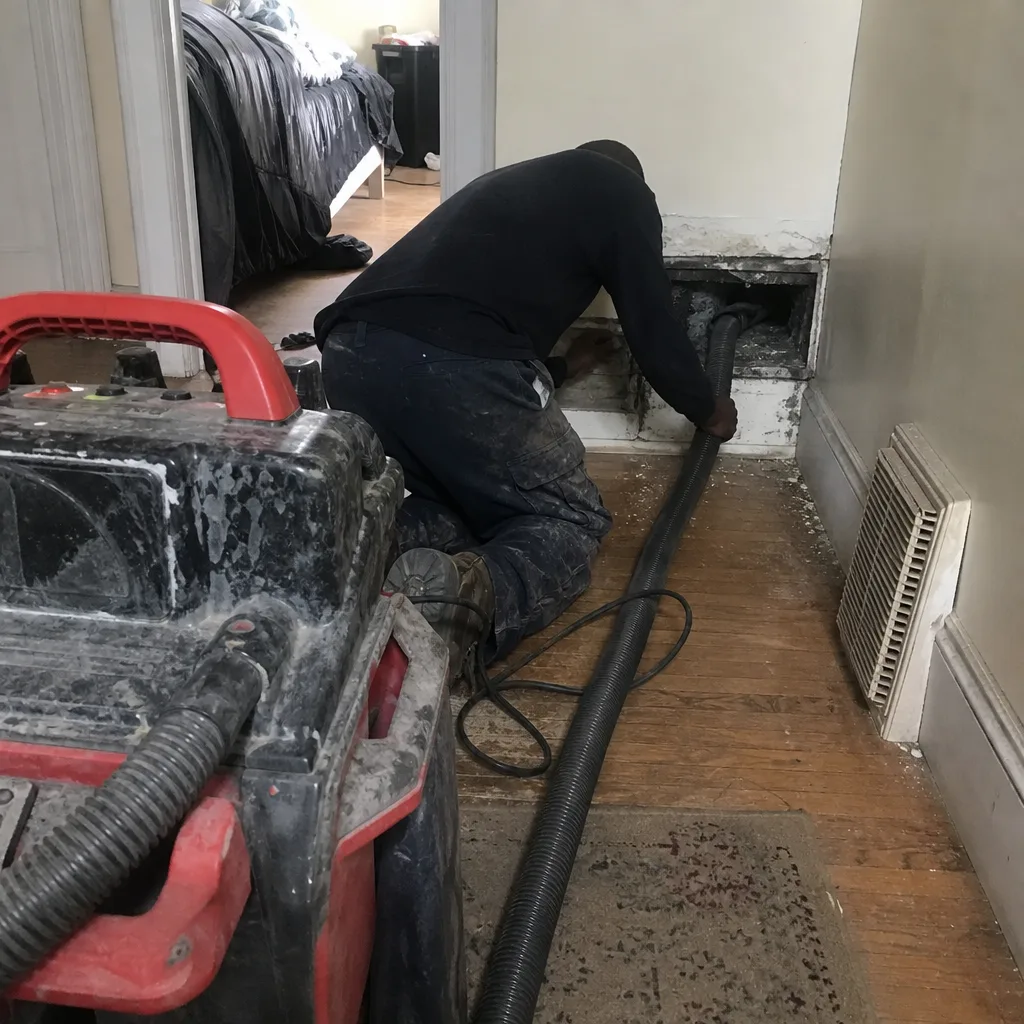 Before
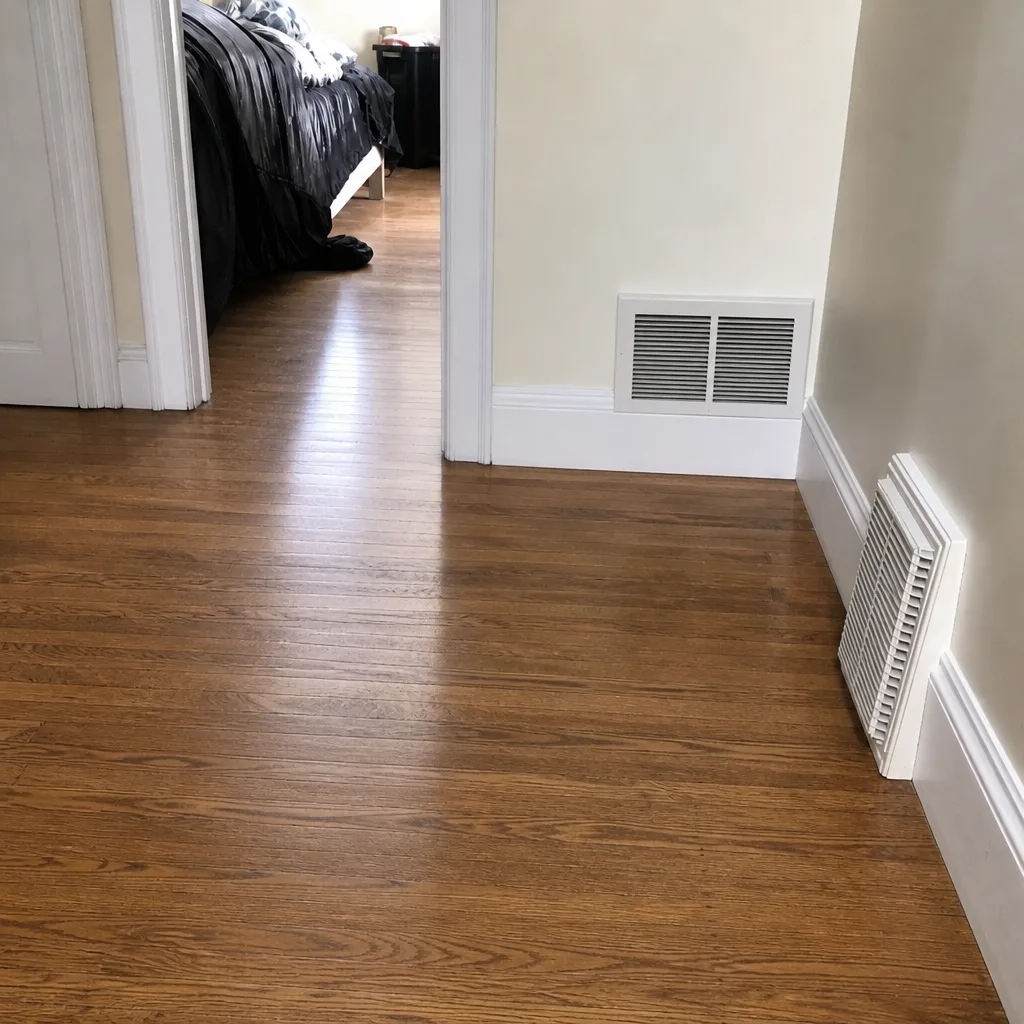 After
When to Call a Professional
Some signs you can watch. Others call for a trained eye and the right equipment. Call a professional when you notice two or more mechanical indicators together, when a musty or rodent smell won’t go away, when a post-renovation system hasn’t been touched, or when a dryer is running long and hot. If you’re not sure, an inspection answers it. The local pro we connect you with is licensed and insured as their state requires, and you get one flat price per system agreed before work starts, plus before-and-after photos of your own ducts, so you can see the work was actually done. Our technicians have up to 15 years of experience reading exactly these signals.
Air Duct Cleaning Bedford-Stuyvesant offers free estimates in Bedford-Stuyvesant. Call (866) 665-7533 to book an inspection. We answer 24/7. Fast dispatch from 7am to 7pm, Sunday through Friday.
Frequently Asked Questions
The most reliable signs are mechanical rather than visual: uneven airflow between rooms, filters loading faster than usual, a changed blower sound, and musty or rodent-like odors from vents. Visible register dust usually shows up later, after the system has been accumulating debris for a while. If two or more of these appear together, get an inspection. Call (866) 665-7533 for an exact quote, estimates are free.
There’s no universal schedule. The honest answer is that timing depends on the system, the building, pets, allergies, and events like a renovation. In older Bedford-Stuyvesant buildings with retrofitted ductwork, a post-renovation clean and periodic inspection tend to matter more than a fixed interval. Let the warning signs set the timing. Call (866) 665-7533 to talk through your situation.
Cheap quotes often advertise a low teaser price that grows once the technician is on site, and per-vent pricing is a common way to inflate it. A fair quote is one flat price per system, set before work starts and confirmed in writing. Ask what the flat price covers. Call (866) 665-7533 for an honest range on your system, estimates are free.
Ask for before-and-after photos of your own ducts, taken during the job. That’s the clearest proof, and it’s something any serious crew can provide. A quote process with one flat price per system and a satisfaction guarantee backs it up. Call (866) 665-7533 to book and see the process for yourself.
Pricing depends on the number of systems, the size and condition of the ductwork, and whether repair or sealing is needed, so it’s set per job by a written estimate rather than a published number. The estimate is free, and the final price is whatever the written estimate says. Call (866) 665-7533 for an exact quote.
It usually means cleaning, and sometimes repair. Drywall dust and debris get pulled into the system during construction, and duct covers left off let more in. If joints are also disconnected or leaking, sealing comes first. An inspection tells you which. Call (866) 665-7533 to get the system looked at, estimates are free.
The Bottom Line
Read the system, not just the air. The clues that matter most in a Bedford-Stuyvesant home arrive early and quietly: uneven airflow, filters loading too fast, a changed blower sound, telling odors, sagging flex duct, a post-renovation system left dirty. Two or more together is your cue to get an inspection. Some signs mean cleaning, some mean repair and sealing first, and the dryer vent deserves the same attention as your supply lines. Spot the signs early and you decide the timing on your terms.
Call (866) 665-7533 for a free estimate from Air Duct Cleaning Bedford-Stuyvesant. We answer 24/7. Fast dispatch from 7am to 7pm, Sunday through Friday. Clean it, repair it, seal it, and get air quality you can measure.
Written by the team at Air Duct Cleaning Bedford-Stuyvesant.