
Last updated November 22, 2026
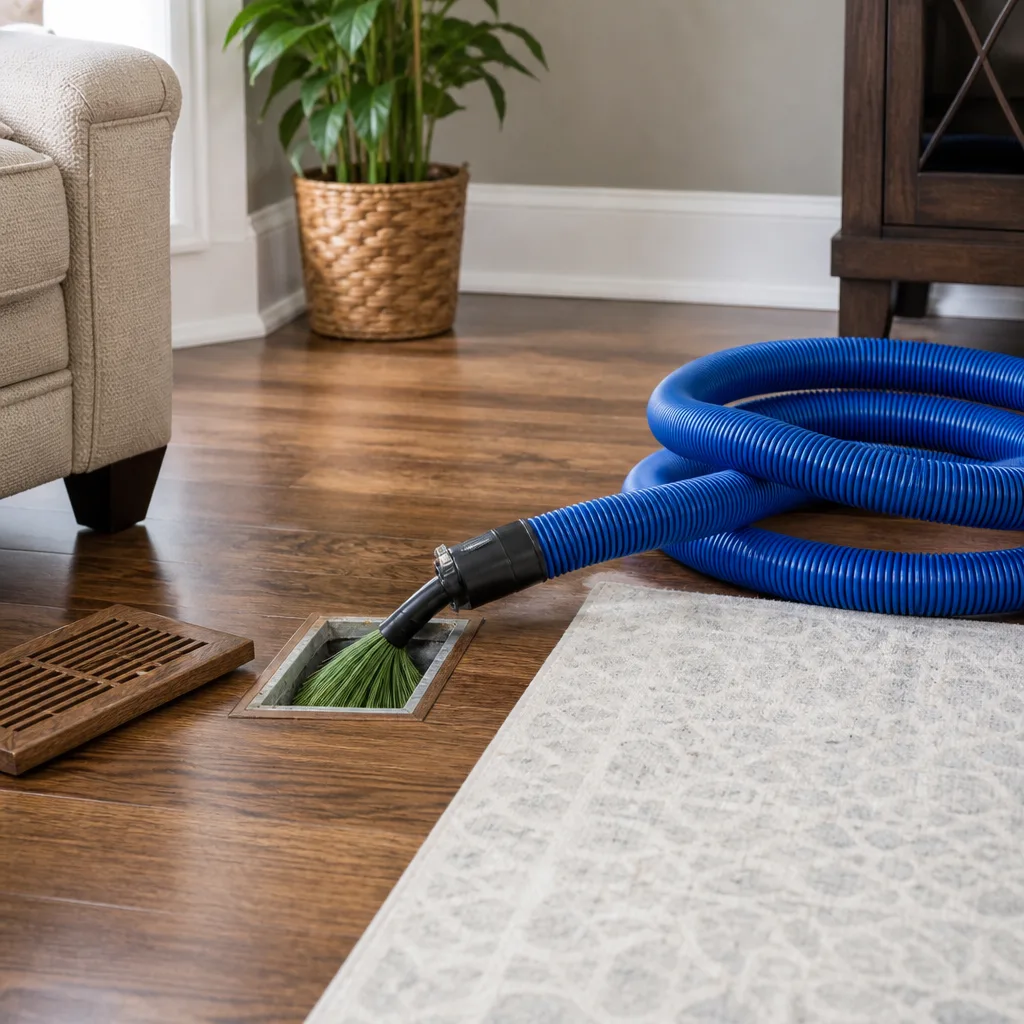 Whole-home duct cleaning
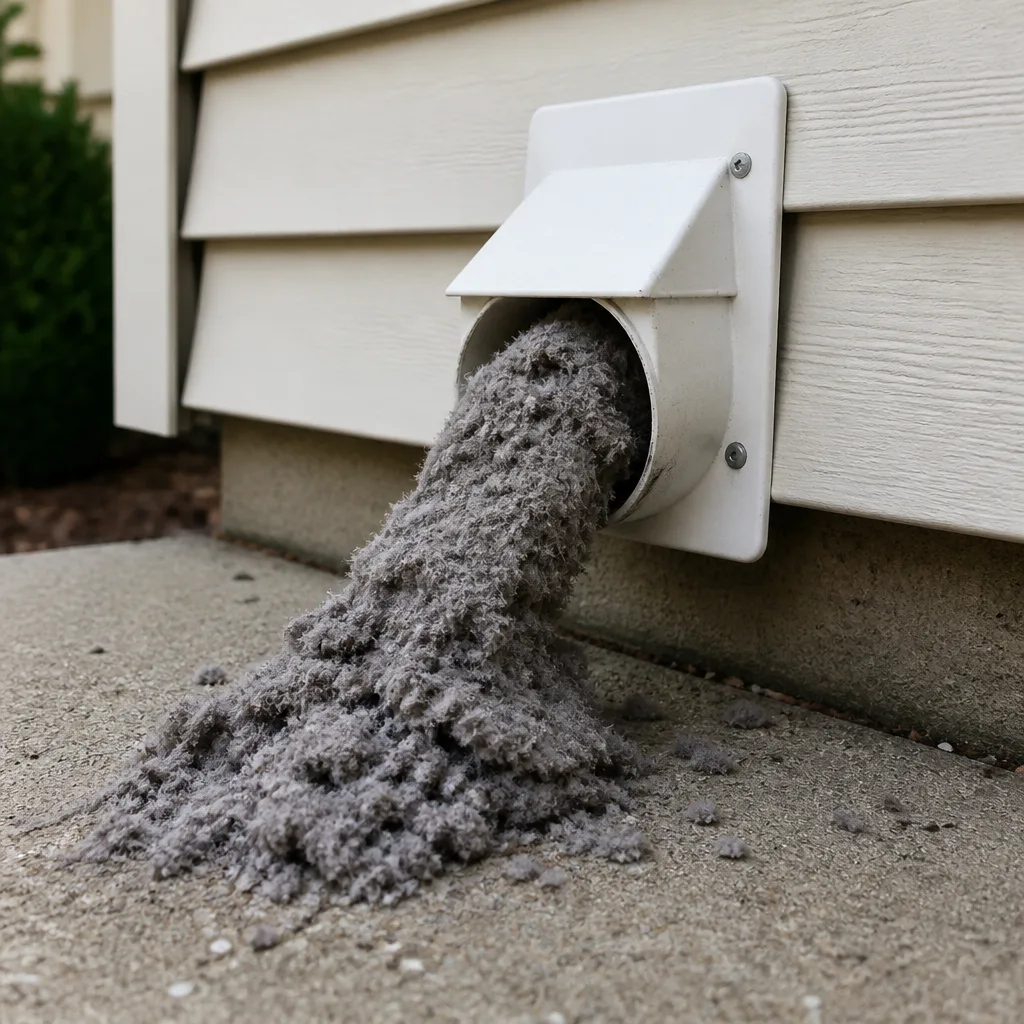 Dryer vent cleaning
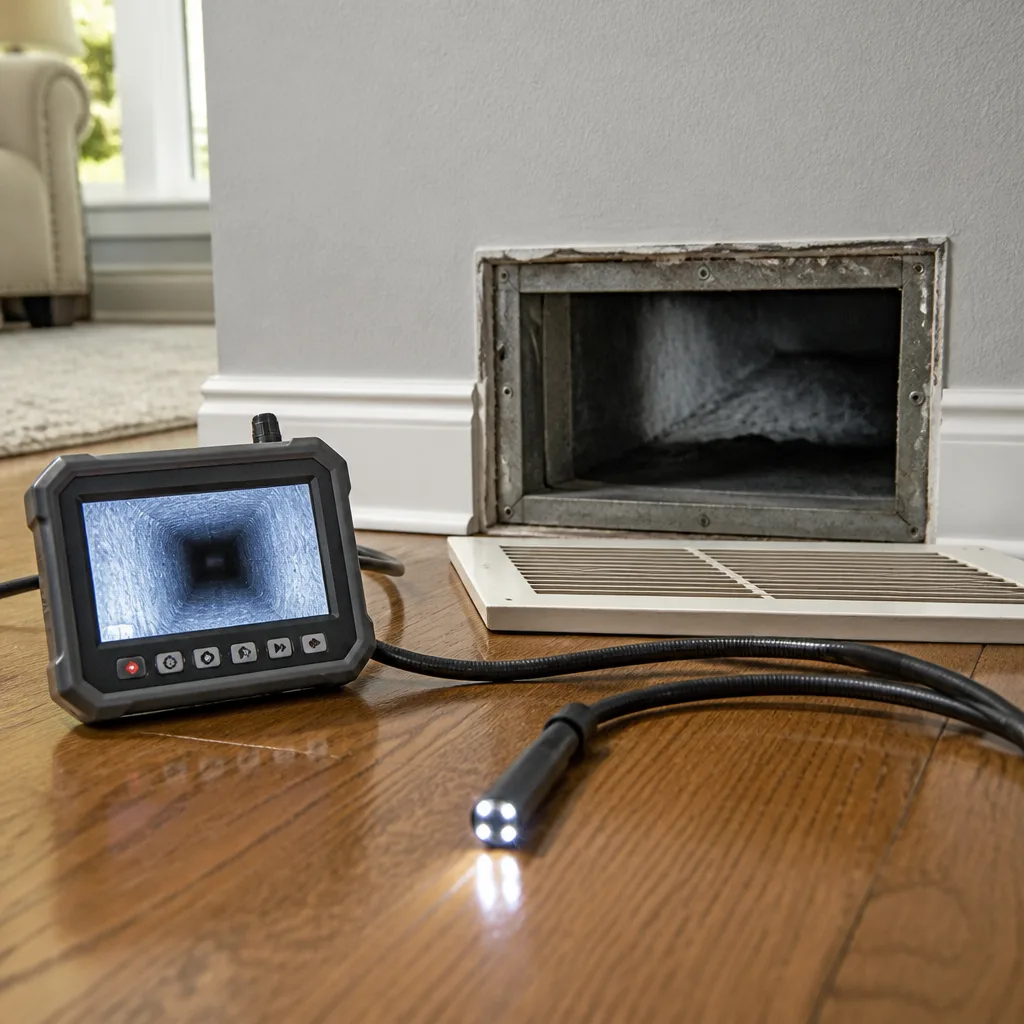 Camera inspection
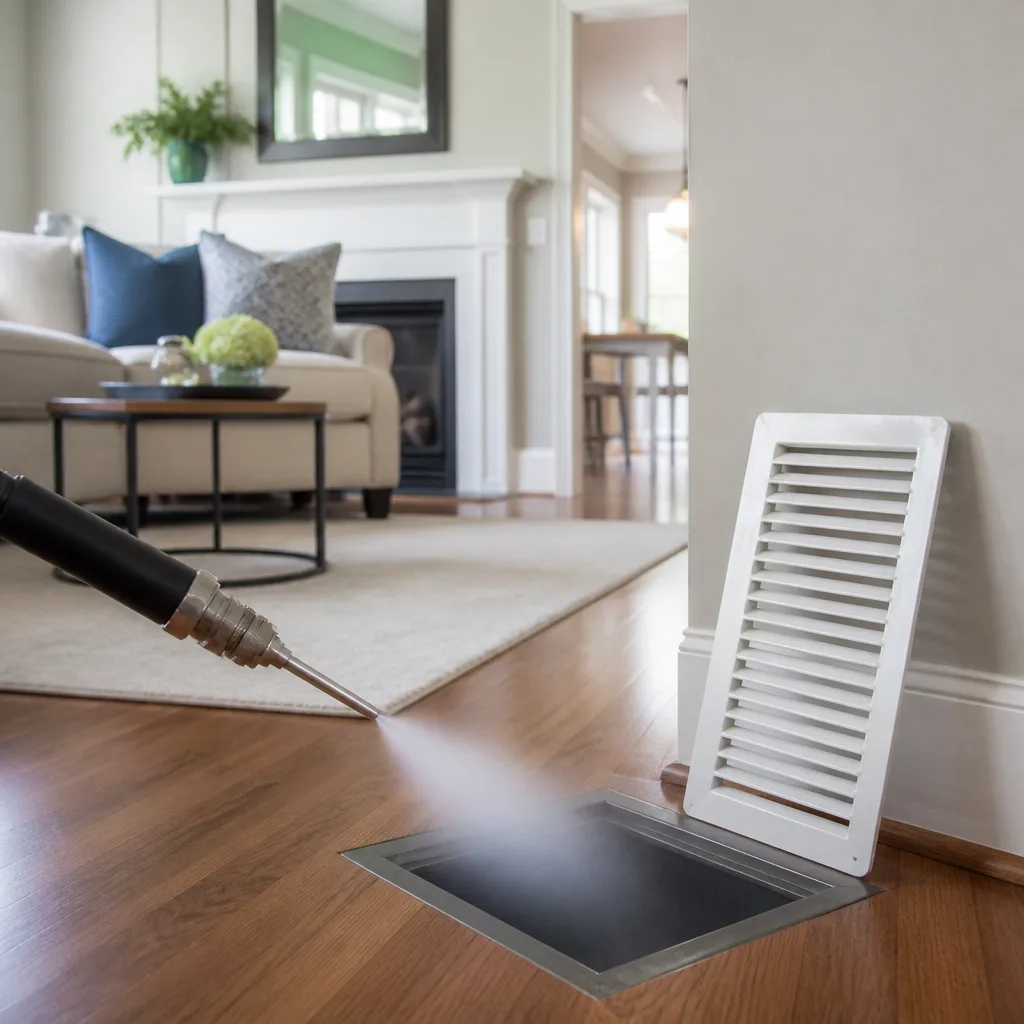 Sanitizing & deodorizing
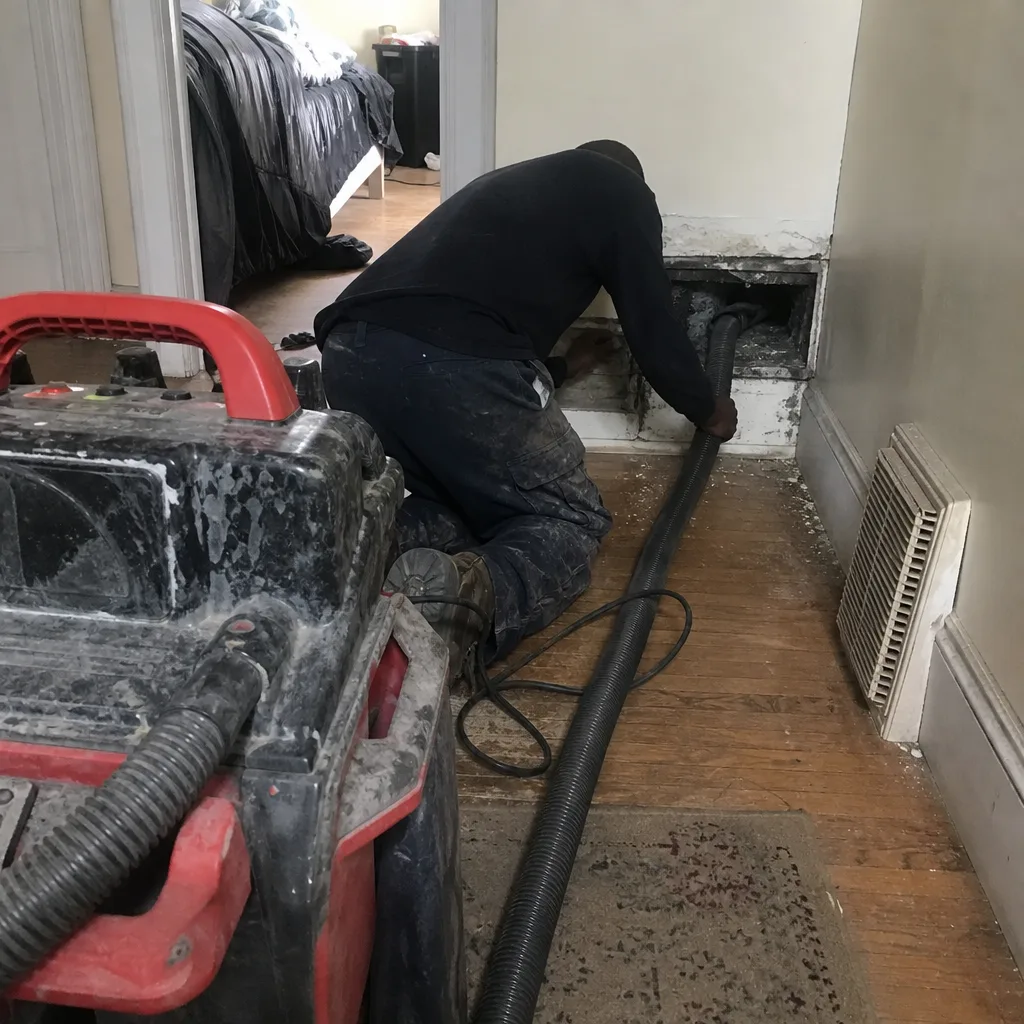
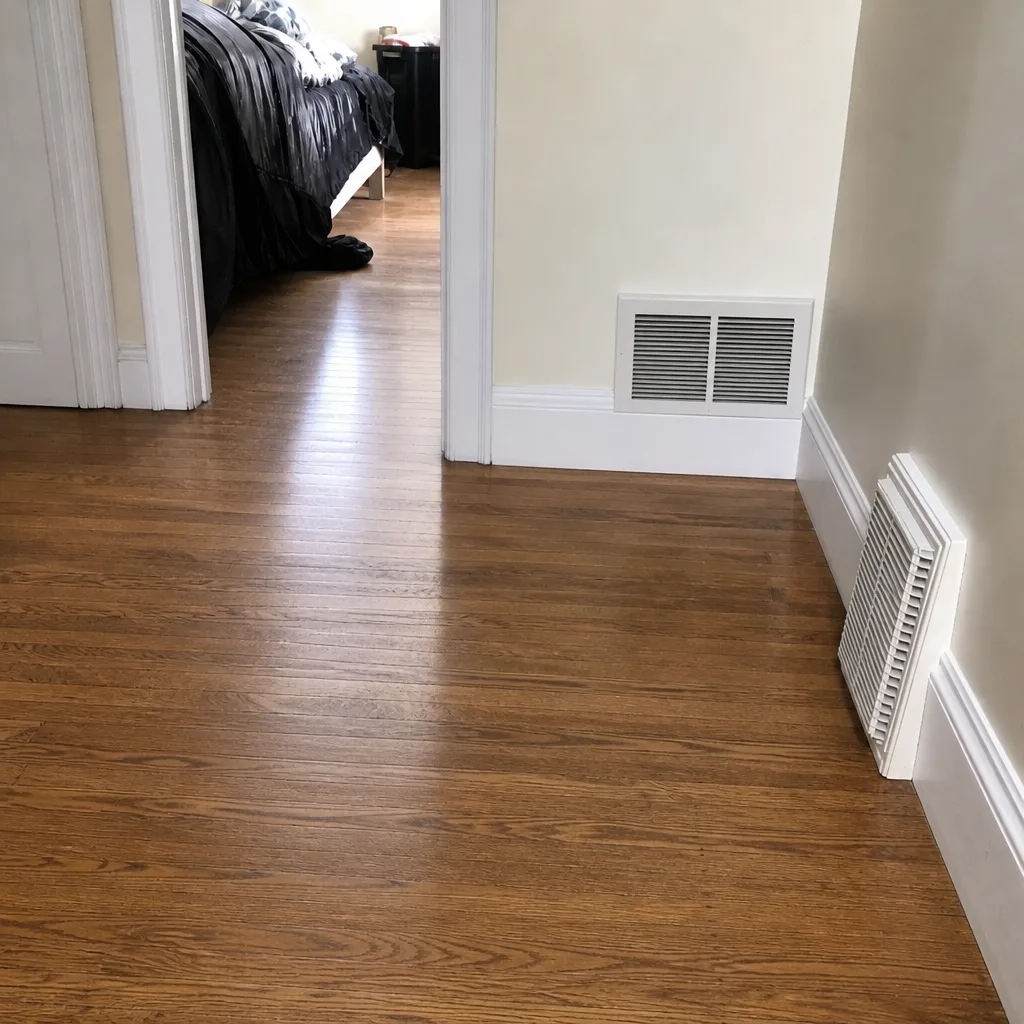
Whole-system duct and dryer vent check with before-and-after photos - you see exactly what came out of your vents
That "$99 whole-house special" is a bait ad - the real number appears once they are in your hallway, or the "clean" is a shop-vac at the register. We photograph the inside of your ducts before and after instead.
How to Hire an Air Duct Cleaning Contractor in Bedford-Stuyvesant: A Step-by-Step Guide
New York State does not license air duct cleaning companies. Anyone with a vacuum and a magnetic sign can knock on doors in Bedford-Stuyvesant and call themselves a duct contractor, and a fair number do exactly that. That single fact explains why this trade has a worse reputation than most: the barrier to entry is a phone number. The good news is that legitimacy leaves fingerprints. A real contractor will talk about cubic feet per minute, negative air pressure, and brush heads before they ever quote you a price. In this guide we walk through the exact vetting process we’d want a homeowner or property manager to run on us, from the five questions that separate professionals from shop-vac operators to reading a scope of work before you sign. By the end you’ll know how to tell a contractor from a salesperson in about ten minutes.
Quick Answer
To hire an air duct cleaning contractor in Bedford-Stuyvesant, verify three things before anyone touches your system: proof of insurance in the form of a current certificate of insurance you can read, professional-grade equipment (a negative air machine and mechanical agitation tools, not a shop-vac), and a written scope of work with a flat price agreed before work begins. Ask how they agitate and extract debris, whether they inspect before quoting, and whether they handle duct repair and sealing in-house. A contractor who answers those specifics clearly is worth listening to. One who dodges them is not.
Styles & brands we work with
- Whole-home duct cleaning
- Dryer vent cleaning
- Camera inspection
- Sanitizing & deodorizing
Table of Contents
- Why You Need to Vet Duct Cleaners in Bedford-Stuyvesant
- The Five Questions That Separate Professionals From Pretenders
- What NADCA Membership Actually Means (And What It Doesn’t)
- NYC Red Flags Specific to Duct Cleaning Operations
- How to Request and Read a Scope of Work
- Equipment Verification: What to Look For in Your Building
- The Step-by-Step Hiring Process
- When Cleaning Alone Isn’t the Answer
Why You Need to Vet Duct Cleaners in Bedford-Stuyvesant
Most home service trades in New York carry some kind of licensing requirement. Electricians, plumbers, and certain contractors all answer to a licensing body. Air duct cleaning does not. There is no state license to check, no registry to search, no credential that proves a company is legitimate. That’s the entire problem in one sentence. The burden of verification shifts entirely to you.
Bedford-Stuyvesant compounds the issue. The neighborhood’s housing stock is old and varied: brownstones and rowhouses with original layouts and ductwork that’s often been retrofitted or modified over the years, plus a large share of rental buildings where a property manager has to make the call. A contractor working in a 1920s brownstone has to deal with duct runs that were never designed for a modern forced-air system. A cookie-cutter operation running the same script in every building can’t tell the difference, and won’t try to.
There’s also the density factor. Bedford-Stuyvesant has a lot of buildings packed into a small area, which makes door-to-door canvassing and direct-mail coupon flyers cheap and effective for low-bid operators. A flyer with a headline price and no inspection attached is not a quote. It’s a hook. The actual number gets built on site, after the equipment is already in your hallway.
None of this means good contractors are hard to find. It means you can’t rely on a credential, a star rating, or a coupon to find them. You have to ask technical questions and listen to the answers. That’s what the rest of this guide is built around. If you’d rather skip ahead, you can always call Air Duct Cleaning Bedford-Stuyvesant and run the questions on us directly.
The Five Questions That Separate Professionals From Pretenders
We’ve spent a lot of time on both sides of this conversation, and in our experience the same five questions do most of the work. Ask them exactly as written. The wording matters less than what the answers reveal.
- “What equipment do you use to agitate the dust?” Professional duct cleaning requires mechanical agitation, meaning something that physically loosens debris from the duct walls. A rotary brush system or compressed-air whip is the standard. If the answer is “a big vacuum” or “we blow it out,” the contractor is treating your ducts like a floor. The dust is stuck to the walls. It has to be broken loose before it can be extracted.
- “What’s the airflow rating of your vacuum?” Professional-grade extraction systems are rated in cubic feet per minute, or CFM, and the figure tells you whether the machine can actually pull debris out of a long duct run against the resistance of the system. A contractor who can’t tell you roughly what their machine is rated for has either never looked or doesn’t want you to know. Rotobrush and Nikro systems are purpose-built for this work and carry published ratings. A box-store wet/dry vac does not.
- “Will you inspect before you quote?” A real contractor wants to see the system before naming a price, because duct condition, access, and system size all affect the job. A price quoted over the phone before inspection is a placeholder, and it usually grows.
- “Are you a negative air setup, and how do you contain debris?” Negative air machines pull a slight vacuum on the work area so loosened dust moves toward the machine instead of into your rooms. Professional operations use them, often alongside containment equipment. Abatement Technologies negative-air and filtration equipment is the kind of gear used in real remediation work, and a contractor who knows the term will recognize it.
- “Do you repair and seal ducts, or just clean them?” Cleaning removes what’s already inside. It doesn’t fix gaps, disconnected joints, or crushed runs. A contractor who can address duct integrity in-house solves the root cause. One who can’t will clean the same system again next year and every year after.
If a contractor answers all five with specifics, you’re probably dealing with a professional. If they answer two and change the subject, move on. There are plenty of operators in Bedford-Stuyvesant who can pass this test, and you don’t need to waste time on the ones who can’t.
What NADCA Membership Actually Means (And What It Doesn’t)
The National Air Duct Cleaners Association, usually called NADCA, publishes the industry’s most widely cited standards for how duct cleaning should be performed. Membership signals that a company has agreed to follow those standards, and certification means at least some technicians have passed an exam on duct cleaning principles. Both are worth asking about. Neither is a license, and neither guarantees a good job.
Here’s what NADCA membership does mean: the company has opted into an industry body, has access to the association’s guidance on cleaning methodology, and has at least nominally committed to a documented process. That’s a meaningful signal, especially in a trade where there’s no legal floor.
What it doesn’t mean:
- It doesn’t verify insurance or licensing status. You still need to see a certificate of insurance.
- It doesn’t confirm equipment quality. A member could still show up with consumer-grade tools.
- It doesn’t guarantee an inspection before pricing.
- It doesn’t measure how a company operates in your specific building type, which in a neighborhood like Bedford-Stuyvesant matters more than a directory badge.
We mention NADCA because informed buyers ask about it, and because the standard it publishes is genuinely useful. But in a market where licensing doesn’t exist, the certificate of insurance and the equipment list tell you more about whether a contractor will show up prepared than any membership logo on a van. Treat NADCA as one input among several, not as a finish line.
NYC Red Flags Specific to Duct Cleaning Operations
Bad actors in New York tend to follow the same playbook, and it’s visible from the street. These are the patterns we’d want a homeowner in Bedford-Stuyvesant to recognize before picking up the phone.
No physical business address. A legitimate contractor can give you an address you can look up. It might be an office, a yard, or a mailbox that receives mail, but it exists and it’s verifiable. A company that only offers a mobile number, a website, and a text-based booking flow with no address is hard to hold accountable if something goes wrong.
No certificate of insurance. This is the single most important document in the hiring process. A current certificate of insurance, sometimes abbreviated COI, shows that the contractor carries general liability coverage. Ask for it before work starts and check that the coverage is current. If a company can’t produce one, or asks you to take their word for it, that’s the end of the conversation.
Pricing quoted before inspection. In a trade where system size, duct condition, and accessibility drive the job, a firm price given over the phone is fiction. It’s either a placeholder that will grow or a number designed to get the truck to your door. Either way it tells you the contractor isn’t planning to look at anything before quoting.
Unmarked, unbranded equipment. A working duct cleaning setup is bulky and recognizable: hoses, a vacuum unit, a brush system, containment materials. If the crew shows up with a handheld shop-vac and a ladder, you already have your answer.
Pressure to sign without a written scope. Any contractor who wants a signature before giving you a document describing the work, the equipment, and the price is asking you to trust a verbal promise. Get it in writing, every time. This is the same discipline you’d apply to any trade in Bedford-Stuyvesant.
How to Request and Read a Scope of Work
A scope of work is a one- to two-page document that says, in plain language, what the contractor will do and what it costs. Ask for one before you sign anything, even if the price seems reasonable. Requesting it is a normal part of hiring a professional, and any contractor worth your time will have one ready.
Here’s what a real scope of work for duct cleaning should contain:
- System description. The number of supply and return runs being cleaned, where the main trunk lines are, and how access will be handled in your specific building.
- Equipment list. The name and type of agitation and extraction equipment. Professional contractors usually mention their systems here, often naming brands like Rotobrush or Nikro, because those names tell an informed reader what to expect.
- Containment method. How debris will be kept out of living space. Negative air and floor protection should be spelled out.
- Inspection findings. A note on the condition of the system when it was inspected, including any visible damage, gaps, or disconnected sections.
- Repair items, if any. If duct sealing or patching is needed, it should appear as a separate line so you can approve or decline it.
- Price and terms. One flat price for the scope described, or clearly itemized pricing tied to the work listed. Avoid any language about pricing “starting at” a figure.
- Before-and-after documentation. The best scopes include a commitment to photograph the ducts before and after cleaning so you have proof of the work.
Read the scope twice. If any line item is vague (“general cleaning,” “system refresh”), ask for it to be rewritten. The document should be specific enough that a different contractor could read it and understand exactly what was done. That clarity is your protection.
Equipment Verification: What to Look For in Your Building
You don’t need to be an HVAC technician to judge equipment. You need to know what to notice when the crew starts setting up. Professional duct cleaning gear is large, heavy, and purpose-built. Here’s what a legitimate operation looks like on arrival.
The vacuum is a machine. Professional extraction units are the size of a small appliance, usually mounted on a wheeled frame, and connected by thick hose to the duct system. They pull hundreds of cubic feet per minute. Abatement Technologies and similar brands make equipment used in remediation-grade work, and it’s the caliber of machine you’d see in a professional setting. A wet/dry vac you could buy at a hardware store is not in the same category.
There’s mechanical agitation, not just suction. Suction alone won’t lift dust that has bonded to the inside of a duct. A rotary brush system or air whip does the work of breaking it loose. Rotobrush systems are built around this exact principle: a rotating brush feeds through the duct, scrubs the walls, and the debris is carried away by the connected vacuum. If the crew only brings a vacuum and no agitation tooling, they’re not equipped to do the job.
There’s containment. Negative air machines draw a slight vacuum on the work area, pulling dust toward the machine and away from your rooms. Combined with proper sealing of registers and returns, the entire process should leave the air in your home no dustier than it was before. In older Bedford-Stuyvesant buildings with open floor plans, this matters more, not less.
They can describe the airflow. Ask the crew lead how the extraction runs and what their machine is rated for. A trained technician will tell you the CFM range and explain how they compensate for longer or more complex duct runs. A contractor who can’t describe the airflow of their own equipment didn’t learn the equipment.
That combination, mechanical agitation plus high-CFM extraction plus negative-air containment, is what separates a professional duct cleaning from a surface pass. The tools cost real money, and the contractors who invest in them tend to do so because they’re in this for more than a single visit.
The Step-by-Step Hiring Process
Here’s the process we’d recommend to any Bedford-Stuyvesant homeowner or property manager. Run it in order and you’ll eliminate most bad actors before they reach your doorstep.
- Search by name and check the basics. Look up the contractor online and confirm they have a verifiable business presence: address, phone number, and a way to reach a person. A company that only exists on a flyer is a company you can’t hold accountable.
- Call and ask the five questions. Use the questions in the section above. You’re listening for specifics: equipment names, agitation methods, CFM figures, negative air references. Vagueness here is your first cue.
- Request the certificate of insurance. Ask for a current COI by email before scheduling. Check that general liability coverage is in place and that the dates are current.
- Schedule an inspection. A professional contractor will want to see the system before quoting. On the day of inspection, walk the ducts with them and ask them to show you anything that looks off.
- Review the scope of work. Before you sign, read the scope carefully. It should describe the system, the equipment, the containment, and any repair items separately. Ask for revisions on anything vague.
- Confirm the flat price. Agree on one flat price for the scope as written. Don’t accept “starting at” pricing or a price quoted over the phone without an inspection behind it.
- Watch the setup. On the day of the job, watch how the crew sets up. The equipment should match what was described. Containment should be visible. If the crew shows up with something different, ask why before they start.
- Review the before-and-after. A professional contractor documents the work. Ask to see photos of the ducts before and after cleaning. If they can’t or won’t provide them, you have a question to ask.
That’s the whole process. It takes a few calls and an inspection, and it filters out nearly everything that shouldn’t be in your building. Run it once, keep the notes, and you’ll have a contractor you can call back for years.
When Cleaning Alone Isn’t the Answer
Cleaning removes what’s inside the ducts. It doesn’t fix the ducts themselves. In a lot of older Bedford-Stuyvesant buildings, the ducts have been patched, extended, or rerouted over decades, and some of those joints have separated or been left open. Dust doesn’t just settle in your system because it’s old. It settles because air is leaking out through gaps and pulling dust in from unconditioned spaces.
That’s why duct repair and sealing belongs in the conversation, not as an upsell but as part of addressing the actual problem. A scope that cleans a system with disconnected joints is going to need repeating. A scope that cleans, repairs, and seals addresses the source.
Air quality work fits the same logic. Filtration upgrades and negative-air treatment can be part of a plan when a system has been contaminated by moisture or specific pollutants, and brands like Aprilaire and Honeywell are well-known in that category. Professional contractors integrate these products alongside cleaning and repair, not as standalone magic. If a contractor is selling you sanitizing as a first step before cleaning, the order is backward.
The point is that duct work spans several connected tasks, and the best contractors handle the whole path. Cleaning alone is one tool. Cleaning plus repair plus sealing plus filtration is a system. Here in Bedford-Stuyvesant, old buildings reward the broader approach. For a closer look at what air duct cleaning covers, we’ve laid out the full process on our service page. And if the ducts are fine but the dryer is taking two cycles to dry a load, that’s a separate job: dryer vent cleaning addresses a lint buildup that’s a known fire risk and is worth scheduling on its own. HVAC cleaning rounds out the picture by covering the equipment itself, not just the ducts.
Common Mistakes to Avoid
- Hiring on price alone. The lowest bid in the neighborhood is often a call to a coupon, not a quote. In a market with no licensing, price has almost no correlation with quality. The number to look at is what’s included in it.
- Skipping the certificate of insurance. Homeowners often forget this step because tradespeople rarely mention it. Ask every time, check the dates, and don’t schedule anything until you’ve seen it.
- Accepting a phone quote as final. Duct cleaning depends on system size and access, which a contractor can’t measure over the phone. A phone number is a placeholder.
- Assuming cleaning fixes everything. If your ducts leak or have disconnected joints, a cleaning will only help briefly. Repair and sealing solve the underlying problem, and you should expect a contractor to raise it.
- Believing “sanitizing” replaces cleaning. A spray-on product doesn’t remove debris. Sanitizing is a step in a larger process, not a substitute for mechanical cleaning.
- Overlooking the dryer vent. It’s part of the indoor air pathway and a genuine fire risk if lint accumulates. If a contractor only offers duct cleaning and subcontracts the dryer vent to someone else, you’re losing continuity.
- Relying on star ratings. Reviews help, but they can be bought or gamed, especially for a service that’s hard to inspect after the fact. Use them as one signal among many, and lean more on the questions above.
See the difference
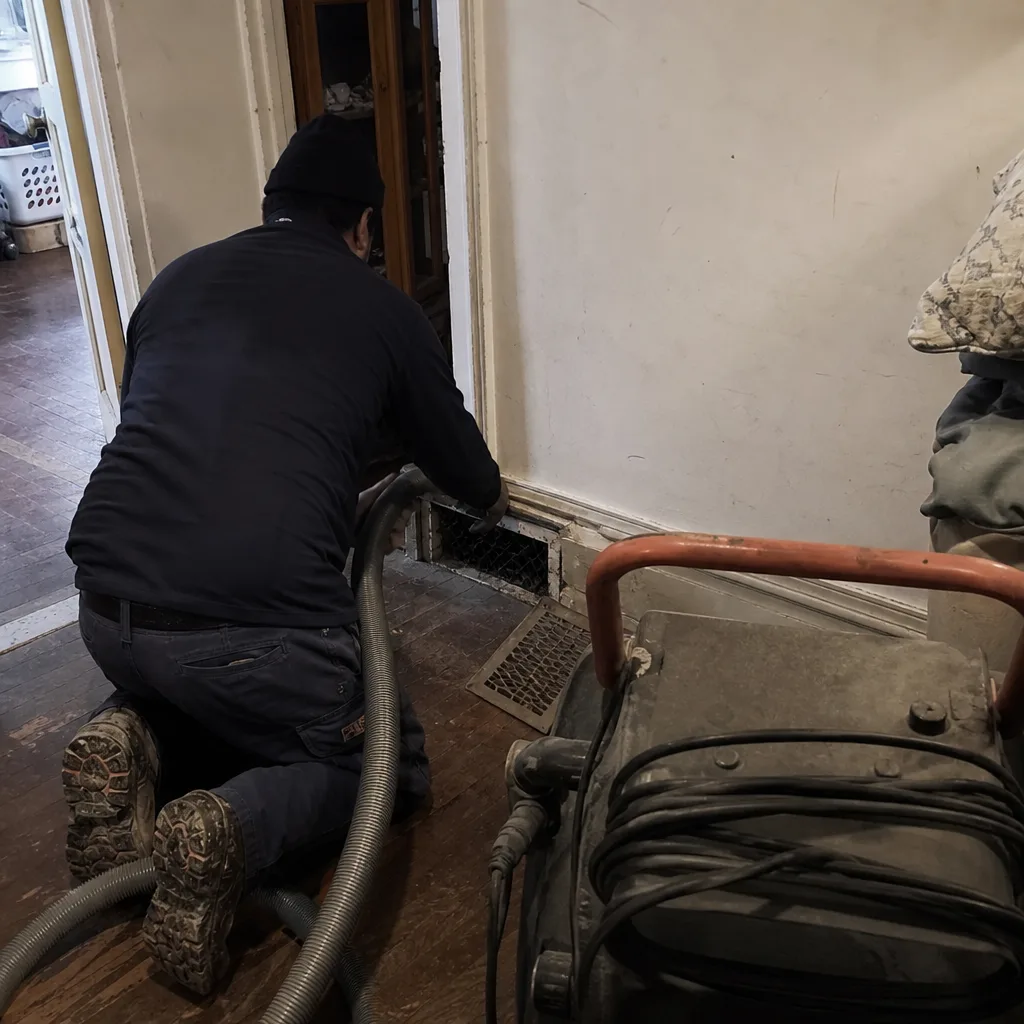 Before
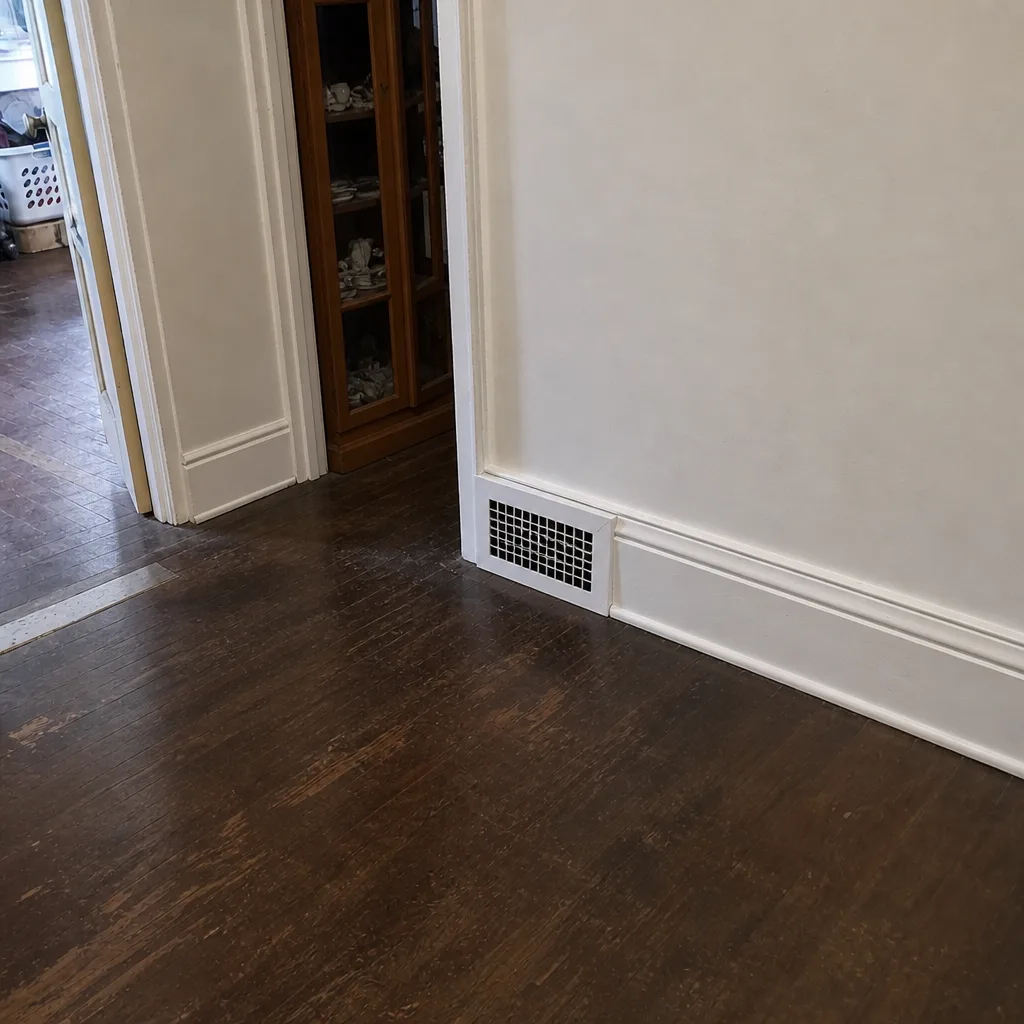 After
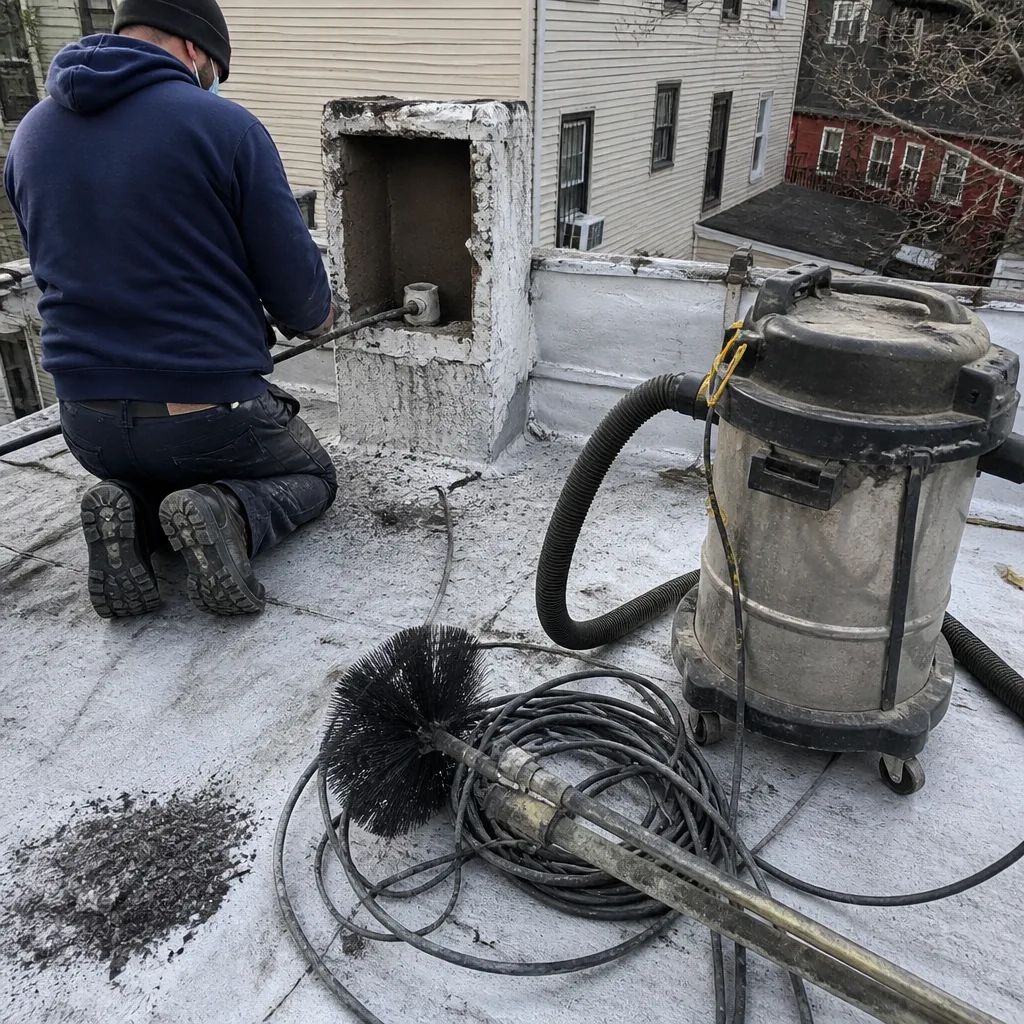 Before
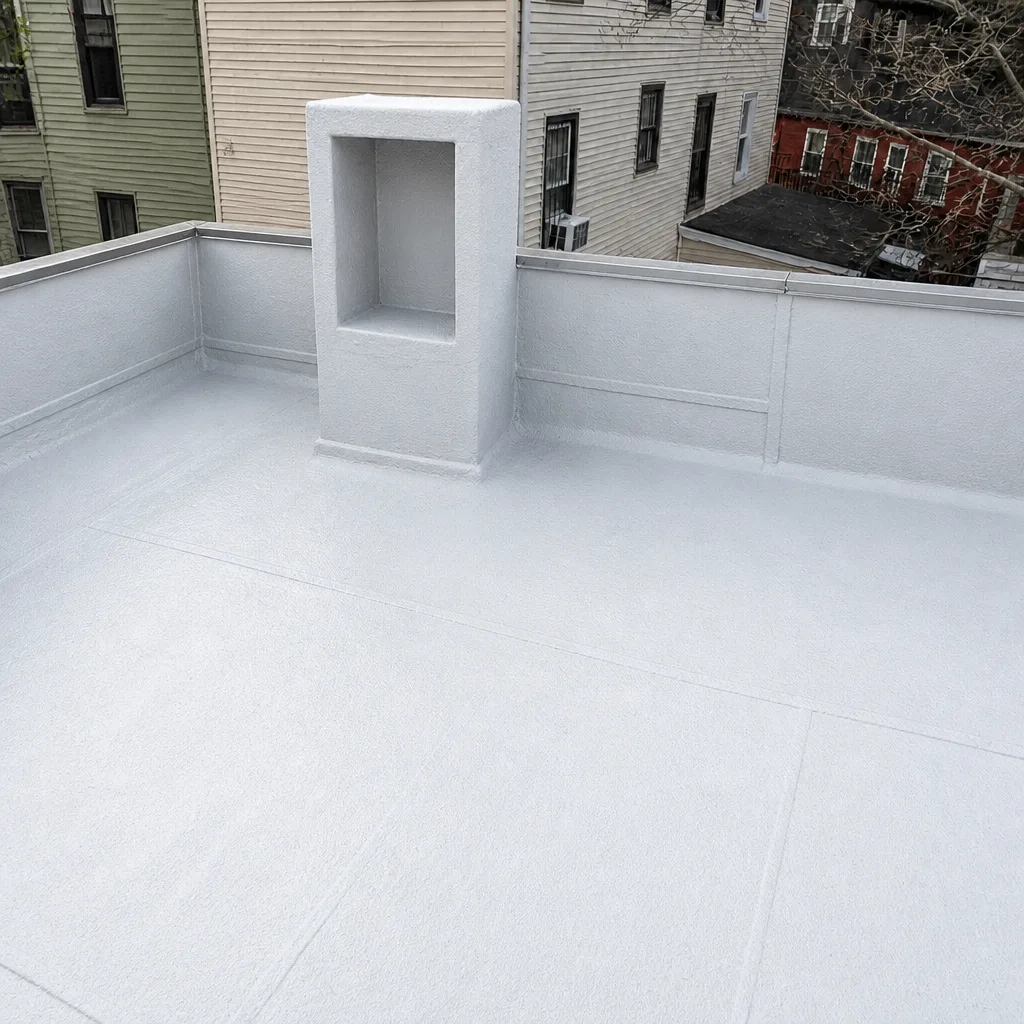 After
 Before
 After
When to Call a Professional
Most duct cleaning is preventive, which means the trigger isn’t always obvious. Here’s when a call is worth making: after a renovation that sent drywall dust through the returns, if anyone in the home has consistent allergy or respiratory symptoms that seem tied to indoor air, if the HVAC equipment has been in service for many years without cleaning, or if visible dust is puffing out of registers when the system starts. Building owners with rented units in Bedford-Stuyvesant often schedule this as part of turnover between tenants. If ductwork has never been serviced in the life of a building, it’s overdue. Air Duct Cleaning Bedford-Stuyvesant offers free estimates in Bedford-Stuyvesant. Call (866) 665-7533. We answer 24/7, with fast dispatch from 7am to 7pm, Sunday through Friday.
Frequently Asked Questions
Duct cleaning in Bedford-Stuyvesant is typically priced as a flat rate for the whole system rather than per vent, with the final cost set by the written estimate after an inspection. System size, number of runs, duct condition, and any required repair work all affect the price. Avoid any quote that starts with a low figure and grows on site. Call (866) 665-7533 for an exact estimate. We answer 24/7, with fast dispatch from 7am to 7pm, Sunday through Friday.
Cheap quotes are usually built around surface work: a consumer-grade vacuum, a quick pass over the registers, and no containment or agitation. That isn’t the same service. A professional job uses mechanical agitation, high-CFM extraction, and negative-air containment, all of which cost real money in equipment and time. The lower price reflects less work being done, not a better deal. Call (866) 665-7533 to see what a complete scope looks like.
Ask for before-and-after photos of the ducts in your own system. A professional contractor documents the work for exactly this reason, and photos are the simplest proof that the inside of your ductwork was actually cleaned. Combined with the written scope, the documentation gives you a record you can rely on. Call us at (866) 665-7533 if you want to see how we handle documentation on every job.
There’s no universal schedule; it depends on the building, the equipment, and lifestyle. Homes with pets, recent renovations, or allergy concerns benefit from more frequent service, while a sealed, well-maintained system in a newer building can go longer. Assessing the system itself, rather than following a rigid calendar, is the right approach. Call (866) 665-7533 for a free estimate and a look at what your system actually needs.
No. Air duct cleaning is not a licensed trade in New York State, which means no government registry confirms that a given contractor is legitimate. That’s why vetting matters: ask for the certificate of insurance, ask about equipment, and insist on a written scope of work before anyone starts. The process in this guide is designed to substitute for the license the state doesn’t provide.
Often, yes. Many of the neighborhood’s brownstones and rowhouses have ductwork that was retrofitted or modified over the years, and some of those runs have gaps, disconnected joints, or confined clearances that limit access. A contractor familiar with this building stock will inspect carefully and, where needed, include duct repair and sealing in the scope rather than cleaning a leaking system. That’s the difference between a one-time fix and a recurring one.
The Bottom Line
In a state with no duct cleaning license, the hiring decision comes down to what you can verify: insurance, equipment, and a written scope. Ask the five technical questions, demand the certificate of insurance, and insist on an inspection before any price is quoted. Look for mechanical agitation, high-CFM extraction, and negative-air containment, and don’t confuse a coupon for a quote. In Bedford-Stuyvesant’s older housing stock, cleaning alone is often just the first step; repair and sealing are what keep a system clean. Take the process seriously and you’ll end up with a contractor who can back up what they promise.
Get a Free Estimate
If you’d rather have someone walk your system and tell you what it needs, we’re ready to do that. At Air Duct Cleaning Bedford-Stuyvesant, our technicians use Rotobrush and Nikro systems, and our technicians have up to 15 years of experience with the equipment and the buildings around here. We offer a flat price per system agreed before work starts, before-and-after photos of your own ducts, and a satisfaction guarantee. We cover air duct cleaning, dryer vent cleaning, HVAC cleaning, duct repair and sealing, and air quality and sanitizing, all under one call. Reach us at (866) 665-7533 for a free estimate. We answer 24/7. Fast dispatch from 7am to 7pm, Sunday through Friday. Closed Saturday.
Written by the team at Air Duct Cleaning Bedford-Stuyvesant.