
Last updated November 22, 2026
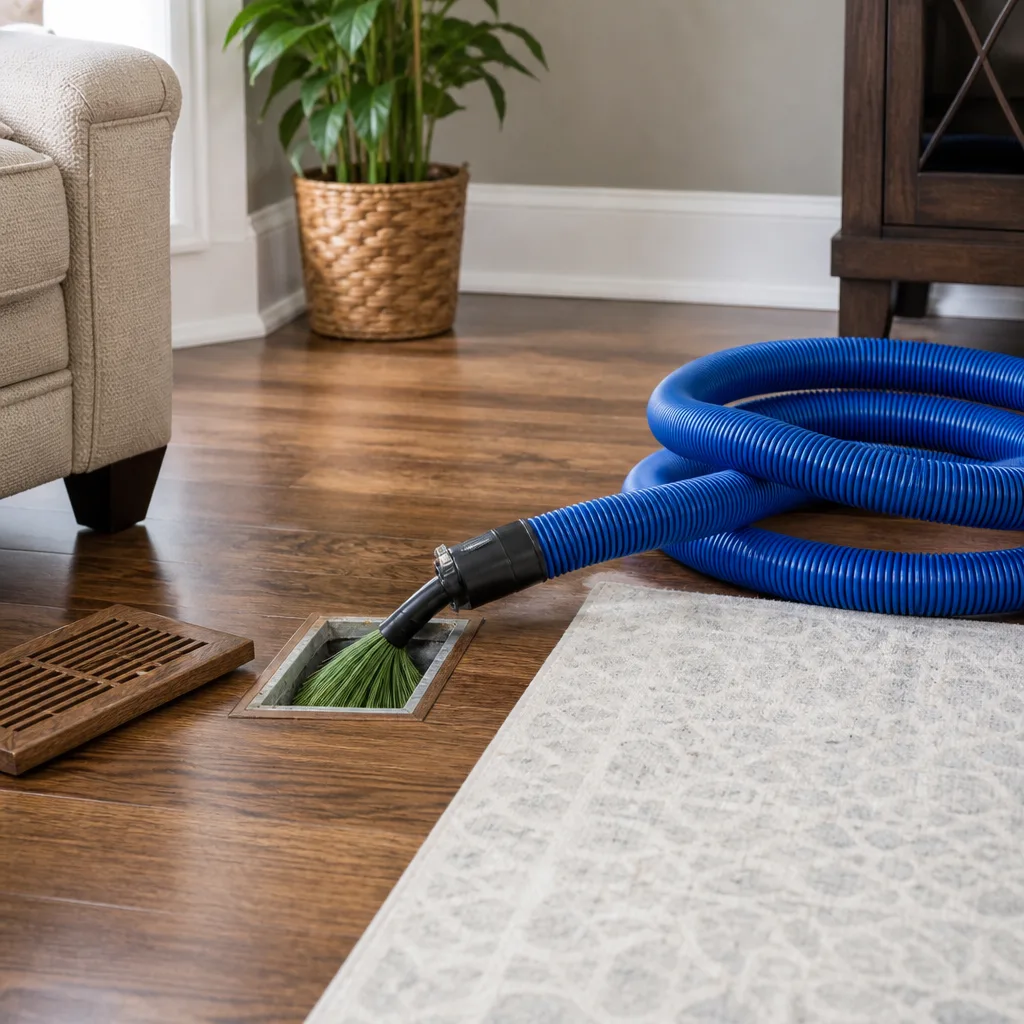 Whole-home duct cleaning
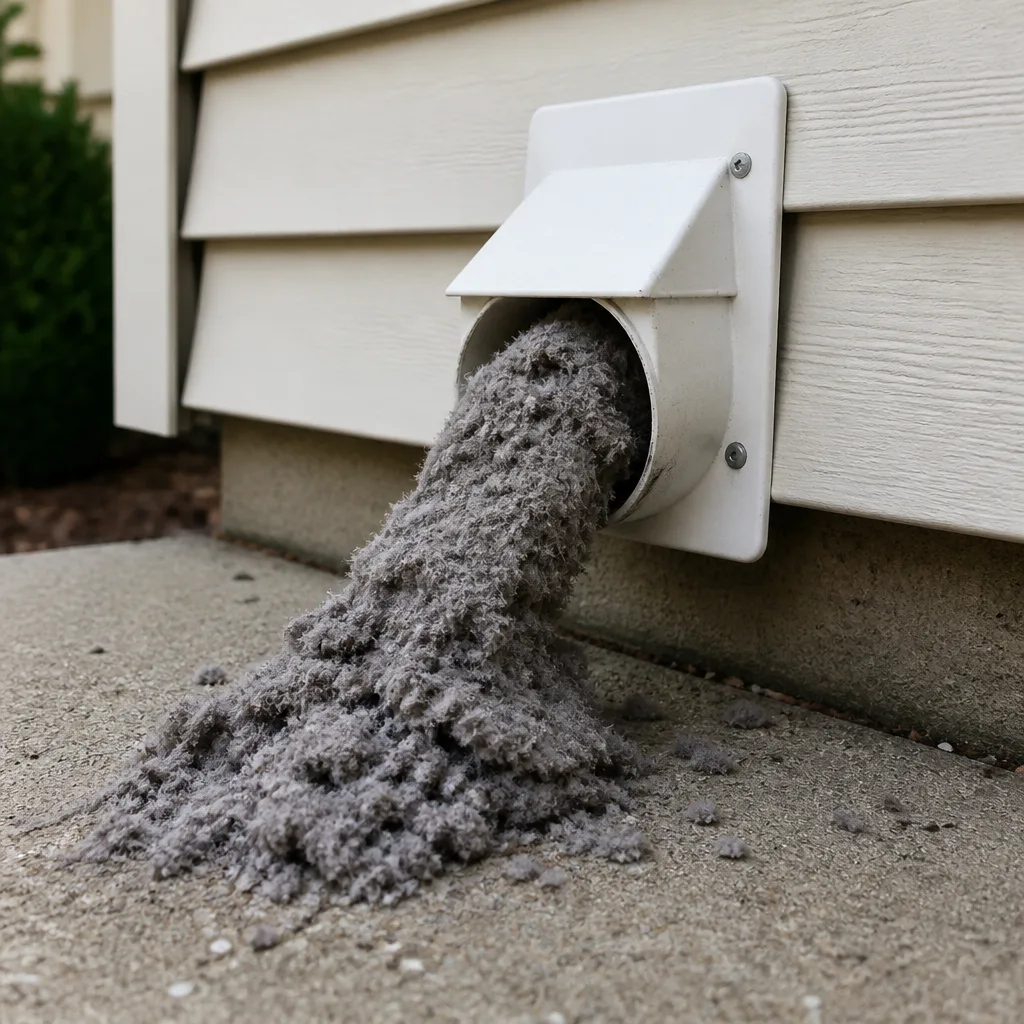 Dryer vent cleaning
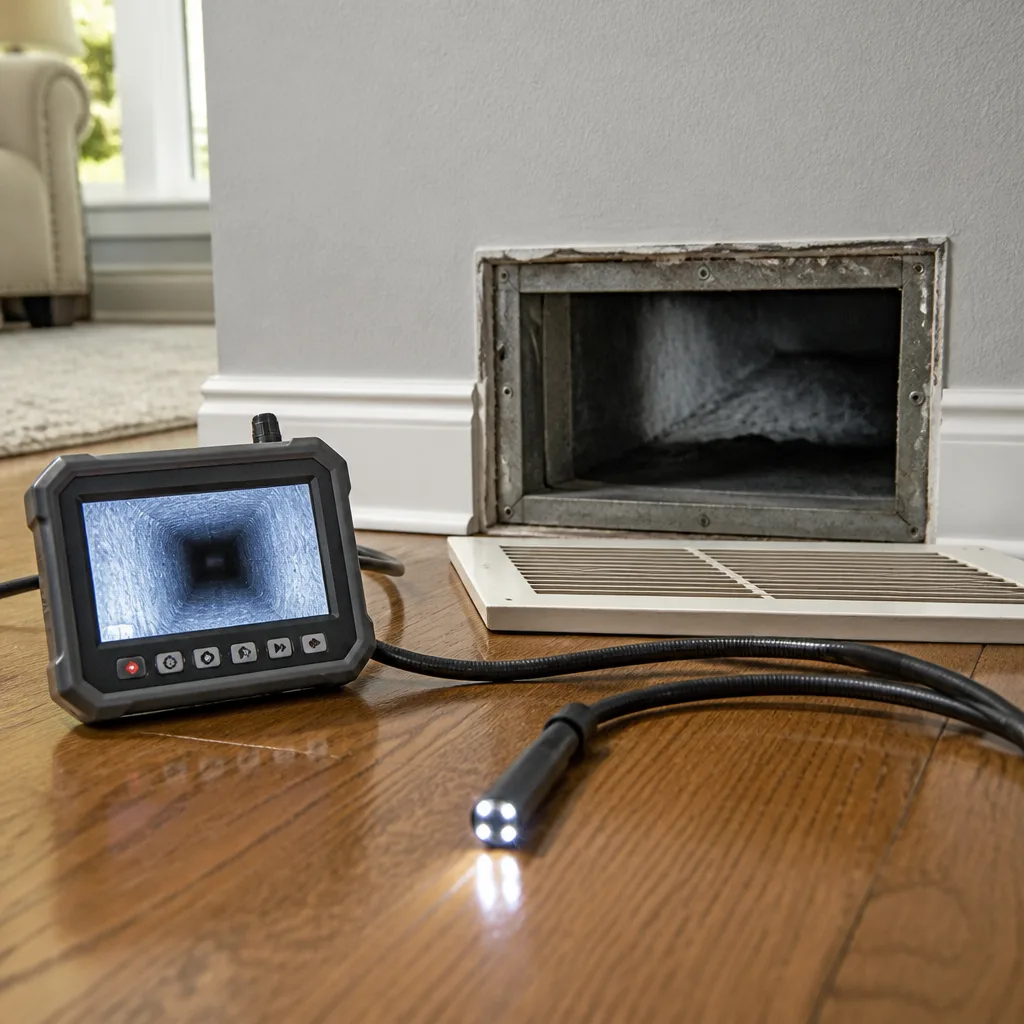 Camera inspection
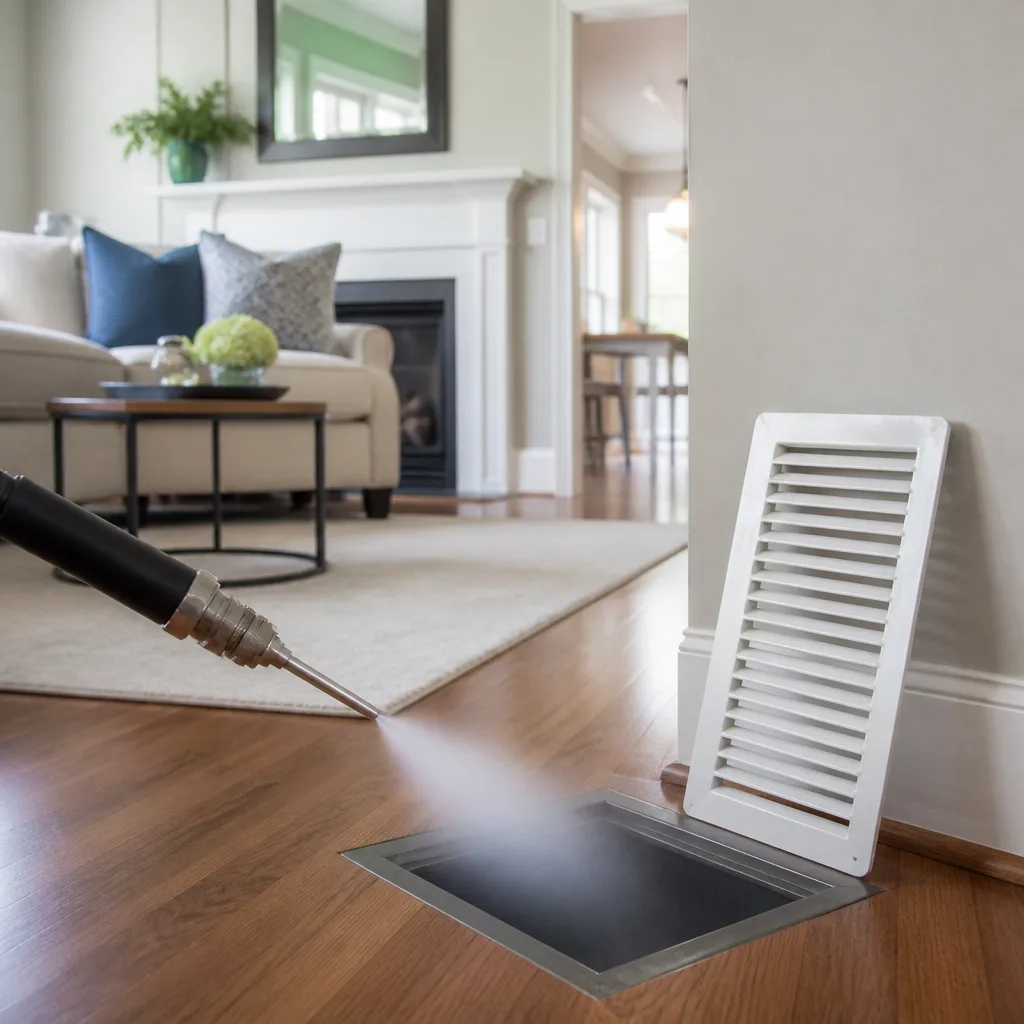 Sanitizing & deodorizing
Whole-system duct and dryer vent check with before-and-after photos - you see exactly what came out of your vents
That "$99 whole-house special" is a bait ad - the real number appears once they are in your hallway, or the "clean" is a shop-vac at the register. We photograph the inside of your ducts before and after instead.
Air Duct Cleaning Permits, Codes & Inspections in Bedford-Stuyvesant, NY: What You Need to Know
Here’s the part most homeowners get backwards: the cleaning almost never requires a permit, and the repair almost always can. Routine air duct cleaning in Bedford-Stuyvesant is maintenance, and New York City doesn’t ask you to file paperwork for maintenance. But the moment a contractor cuts into a supply trunk, reroutes a run, or changes how a system moves air in a multiple dwelling, you’ve crossed from housekeeping into regulated mechanical work. That line is where violations get written, and it’s where a lot of people get surprised at closing. This guide draws the line precisely: what needs a permit, which building classes change the rules, how energy laws like Local Law 97 fit in, and what paperwork to keep after any duct repair in Bedford-Stuyvesant.
Quick Answer
Routine air duct cleaning in Bedford-Stuyvesant does not require a permit from the NYC Department of Buildings. Duct repair that involves cutting, rerouting, resizing, or replacing ductwork as part of a mechanical system generally does require a permit and a licensed contractor, and the rules tighten considerably in multiple dwellings. Verify before work starts, and keep the permit and inspection records with the property file.
Styles & brands we work with
- Whole-home duct cleaning
- Dryer vent cleaning
- Camera inspection
- Sanitizing & deodorizing
Table of Contents
- Where the line sits: maintenance cleaning vs. regulated mechanical work
- What NYC DOB and the construction codes actually say
- Class A vs. Class B multiple dwellings and what changes
- Local Law 97 and Local Law 88: where duct work meets energy compliance
- How to verify a contractor won’t leave an open permit
- Inspections: what gets looked at and when
- What documentation to keep after duct repair
- Common mistakes to avoid
Where the line sits: maintenance cleaning vs. regulated mechanical work
Think of it as two different trades wearing similar uniforms. Cleaning is a service to a system that already exists. Mechanical work alters the system itself. New York City regulates the second one, not the first, and the distinction shows up in how a job is scoped, priced, and documented.
Cleaning that stays on the maintenance side of the line typically includes:
- Mechanical agitation of duct interiors with rotary brush equipment, followed by high-powered negative-pressure extraction
- Cleaning of supply and return runs, registers, grilles, and diffusers
- Cleaning of the air handler cabinet, blower, and coil surfaces as part of HVAC cleaning
- Dryer vent cleaning, which is maintenance and safety work rather than mechanical alteration
- Surface sanitizing and filtration work that doesn’t change the duct layout
Work that generally crosses into regulated mechanical territory includes:
- Cutting into, rerouting, or resizing a supply or return trunk
- Adding, removing, or relocating a branch run or register
- Replacing a section of ductwork with a different material or gauge
- Modifying how the system distributes air in a way that changes the design
- Any change tied to a new air handler, furnace, or rooftop unit installation
In our experience, the confusion starts because repair and sealing can sound like cleaning on an invoice. Mastic-sealing joints and pinholes on existing ductwork is often routine repair. Cutting a trunk to add a run to a converted attic is construction. One requires paperwork, the other usually doesn’t. Ask any contractor which category your job falls into before they start, and get that answer in writing. For a baseline sense of what the maintenance side of the work involves, our air duct cleaning service page covers the equipment and process.
What NYC DOB and the construction codes actually say
New York City’s construction codes regulate mechanical systems, and the NYC Department of Buildings administers permits and inspections for work that touches them. Ductwork distribution is part of a mechanical system. That’s the whole principle in one sentence. The practical consequences are what matter to a property owner.
Here’s how the paperwork generally divides:
- Cleaning: no DOB filing. This is maintenance of an existing, lawful system.
- Repair of damaged duct sections that restores original condition: frequently permit-exempt, though scope matters and a licensed professional should confirm in your case.
- Alteration of duct layout, size, or routing: typically requires a permit, filed by a licensed contractor, with inspection afterward.
- Work in a multiple dwelling: the property’s building class and occupancy add layers that a one-family rowhouse never sees.
Two things trip people up. First, the permit applicant has to be appropriately licensed for the work being filed. A cleaning company that isn’t licensed as a mechanical contractor cannot pull a mechanical permit on your behalf, and if someone offers to anyway, that’s a signal to slow down. Second, permit records are public. They follow the property, not the contractor who filed them. An open permit sits attached to the building until it’s signed off or resolved.
We’re a duct cleaning and indoor air quality company, not a licensed mechanical contractor, and we say so plainly. When a Bedford-Stuyvesant job turns out to need a mechanical filing, the right move is to bring in someone licensed for that scope rather than fold it quietly into a cleaning invoice. Knowing which is which before the work starts protects you, and it protects the tradesperson too.
Class A vs. Class B multiple dwellings and what changes
Bedford-Stuyvesant has a lot of both. A brownstone converted to four apartments is a different regulatory animal from a transient occupancy building, and the difference affects what can be done to the ductwork without a licensed mechanical contractor on the job.
Class A multiple dwellings are the ones you’ll find across most of the neighborhood: buildings occupied as the homes of three or more families, with permanent resident occupancy. Think converted rowhouses, small apartment buildings, and mixed-use corner buildings with residences above the storefront. For duct work here:
- Cleaning is routine maintenance and needs no filing
- Alterations to duct layout generally require a permit filed by a licensed contractor
- Work affecting fire separations between units gets additional scrutiny
- Records should be kept per building, not per tenant turnover
Class B multiple dwellings cover transient occupancy, such as hotels, rooming houses, and similar arrangements where residents don’t hold permanent homes there. The occupancy rules and enforcement expectations differ, and work in these buildings usually warrants a conversation with a code consultant or expediter before anything gets scoped.
There’s a third wrinkle specific to this neighborhood: renovations. When a Bedford-Stuyvesant rowhouse is gut-renovated into apartments, the heating and duct system often gets reconfigured as part of that job. Later, a new owner inherits ductwork that may or may not match what’s on file. If you’re cleaning ductwork in a recently converted multi-family, pull the previous filings first. The layout you’re cleaning should match a record somewhere.
Local Law 97 and Local Law 88: where duct work meets energy compliance
New York City’s building energy laws change the economics of leaky ductwork. Local Law 97 sets carbon emission limits for larger buildings, with penalties for exceeding them. Local Law 88 addresses lighting upgrades and sub-metering for large non-residential spaces. Neither law is a duct cleaning ordinance. But both push building owners toward tighter envelopes, better-performing mechanical systems, and measured energy use, and duct leakage is part of that picture.
Where this matters practically:
- Sealing as efficiency work. Ducts that leak at joints and connections waste conditioned air and make systems run longer. Sealing reduces that waste, which supports any building’s energy profile.
- Airflow balance. In larger properties, an unbalanced system pushes energy use up as equipment compensates. Cleaning and sealing can restore intended airflow without changing the design.
- Documentation. For covered buildings subject to Local Law 97, energy work should be documented in a form that feeds reporting. Keep invoices and scope descriptions specific.
- Boundaries. Duct sealing improves performance but does not, by itself, satisfy an energy law obligation. Never let a contractor imply otherwise.
Our duct repair and sealing work fits here: clean it, repair it, seal it. We use professional-grade equipment for extraction, and our sealing work addresses the leaks that undermine system performance. When a building owner needs a stamped energy report or a filing tied to Local Law 97 compliance, that’s a separate professional’s job. We’re clear about where our scope ends.
How to verify a contractor won’t leave an open permit
An open permit on a Bedford-Stuyvesant property is a paperwork problem at the worst possible time: a sale, a refinance, or a new insurance policy. The good news is you can check in a few minutes, and you should, before and after any duct repair.
Here’s a straightforward sequence:
- Ask who will file. Before work begins, ask plainly whether the job requires a permit and who is filing it. Get the license type and the filing plan in writing.
- Confirm the license matches the work. Cleaning and sealing on an existing system typically doesn’t need a licensed mechanical contractor. Alterations do. Match the license to the scope, not to the invoice total.
- Check DOB records before the job. Look up the property in the DOB’s public records system. Note any existing open permits or violations before you start; they’ll complicate anything you file later.
- Get the permit number after filing. If a permit was required, the contractor should give you the permit number. Write it down and keep it with the job file.
- Confirm the sign-off. A permit isn’t closed just because work stopped. Get confirmation of the inspection and sign-off, not just a paid invoice.
- Check again before a sale or refinance. Title searches surface open permits. Checking proactively gives you time to resolve anything that turns up.
Most owners never need steps two through six because their work is routine maintenance cleaning. When it isn’t, the few minutes spent verifying are worth far more than the hours spent arguing about a violation later. If you want a gut check on whether your job is likely to need a filing, call and describe the scope. We answer 24/7. Fast dispatch from 7am to 7pm, Sunday through Friday.
Inspections: what gets looked at and when
Two kinds of inspection apply to duct work, and they aren’t the same. One is regulatory, tied to a permit. The other is quality control that a serious contractor does whether or not anyone requires it.
Regulatory inspections happen when a permit was filed. A DOB inspector reviews the work against the filed scope: duct sizes, routing, materials, and connections. If the work deviates from what was permitted, that’s a problem for the owner, not just the contractor. This is the strongest argument for scope being accurate on the permit application in the first place.
Quality inspections during cleaning are different. A crew using professional-grade equipment should document what it finds and what it removes. In our work, that means:
- Before-and-after photos of your own ductwork, so you can see the change
- A walkthrough at completion with any issues noted
- Separate findings on duct integrity: disconnected joints, crushed sections, pinholes, damaged seals
- Notes on any area the equipment couldn’t reach, stated plainly rather than glossed over
On the equipment side, our technicians use Rotobrush rotary-brush systems for mechanical agitation and Nikro vacuum equipment for extraction: professional-grade tools that pick up what consumer-grade vacuums leave behind. The technicians have up to 15 years of experience, and they’ve seen enough of this housing stock to know the difference between aged ductwork that’s fine and aged ductwork that needs a repair before it needs another cleaning. For dryer vent inspections specifically, air movement and lint buildup are the two things that matter, and we handle both.
What documentation to keep after duct repair
Keep it simple: keep everything, filed by building and by date. In a multi-family property, a clean paper trail is the difference between a smooth sale and a delayed one.
Here’s what belongs in the file:
- Written scope of work for each job, describing exactly what was cleaned, repaired, or sealed
- Before-and-after photos of the ductwork, dated
- Permit numbers and sign-off letters, if any permit was filed
- Contractor license information for the party that performed mechanical work
- Invoices and payment records matching the scope
- Any inspection notes or findings from the completion walkthrough
- Dates of each service, so you can show a maintenance history at resale
For Bedford-Stuyvesant homeowners with a single-family rowhouse, a folder is plenty. For property managers, one folder per building, with the permit and inspection records in front. The goal is a single place a title searcher, buyer, or insurer can review without a phone call. When you work with us, we can provide the scope documentation and photos from your job for exactly this purpose. Reach out via our Air Duct Cleaning Bedford-Stuyvesant page if you need the paperwork trail from a past project.
Common Mistakes to Avoid
- Assuming a cleaning quote covers repair. A quote for duct cleaning doesn’t include fixing disconnected joints or crushed sections. Ask whether repair and sealing are priced separately, and get the answer before work starts rather than after.
- Letting a contractor file a permit they aren’t licensed for. In NYC, the applicant must be licensed for the scope. If a cleaning company offers to file mechanical work on your behalf, that’s worth a second look before you sign.
- Treating a converted multi-family like a single-family house. A Bedford-Stuyvesant rowhouse split into apartments carries Class A multiple dwelling rules that a one-family home never touches. The permit picture differs accordingly.
- Skipping the DOB record check before a sale. An open permit from years back shows up in a title search. Check the property record early and resolve anything there with time to spare.
- Not keeping before-and-after photos. Photos of your own ducts document both the cleaning and the condition afterward. Without them, you have a paid invoice and no way to show what was done.
- Letting a contractor promise energy law compliance through duct sealing alone. Sealing supports a building’s energy profile, but it doesn’t satisfy Local Law 97 obligations. Anyone who says otherwise is overselling.
- Confusing box-store vacuums with professional extraction. Consumer equipment doesn’t create the negative pressure or agitation that pulls embedded debris from duct interiors. The right tools do.
See the difference
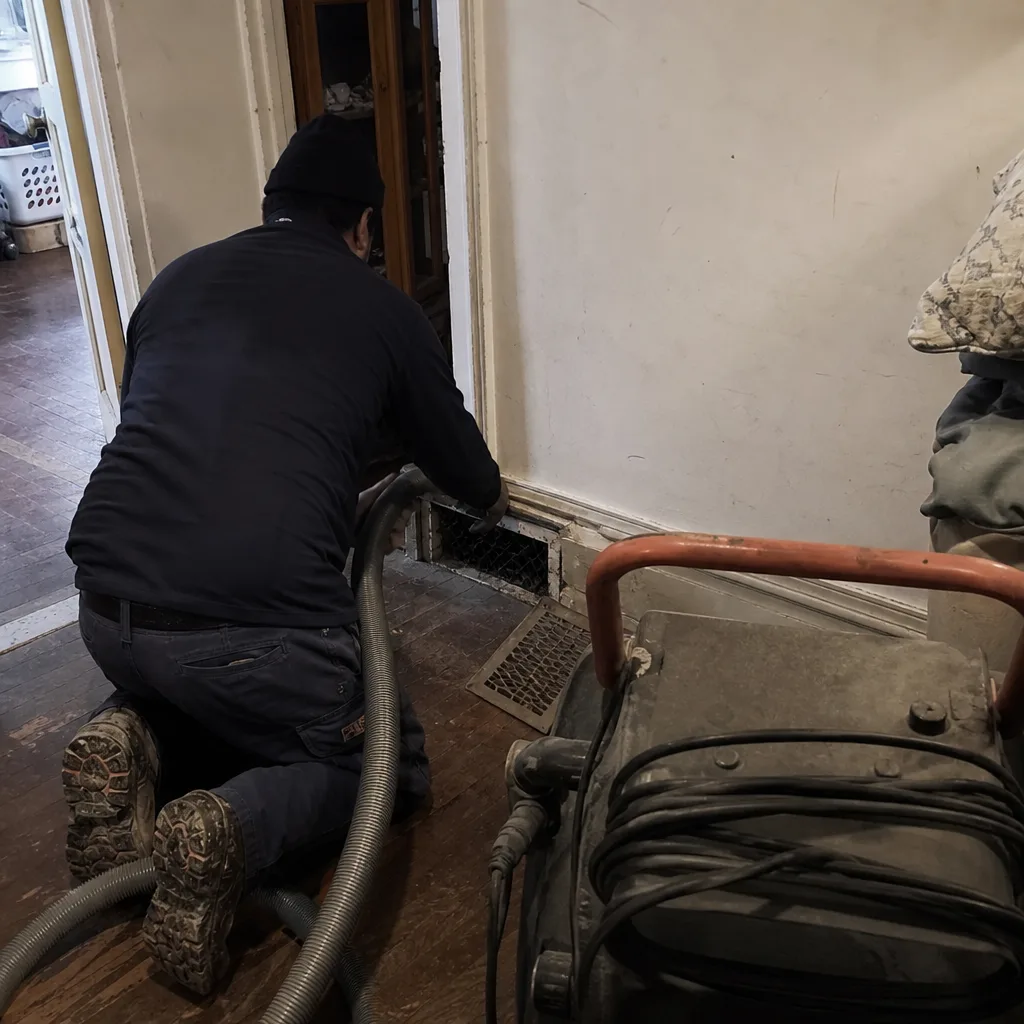 Before
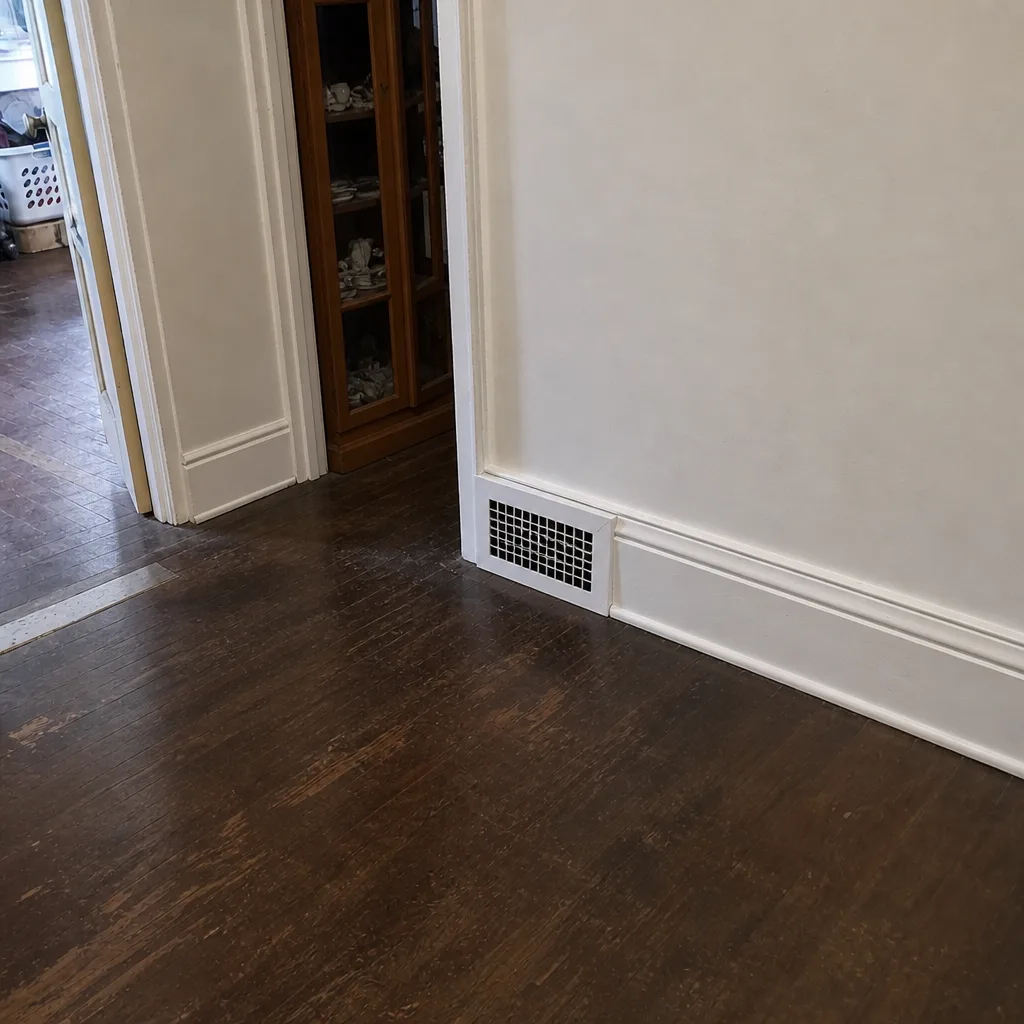 After
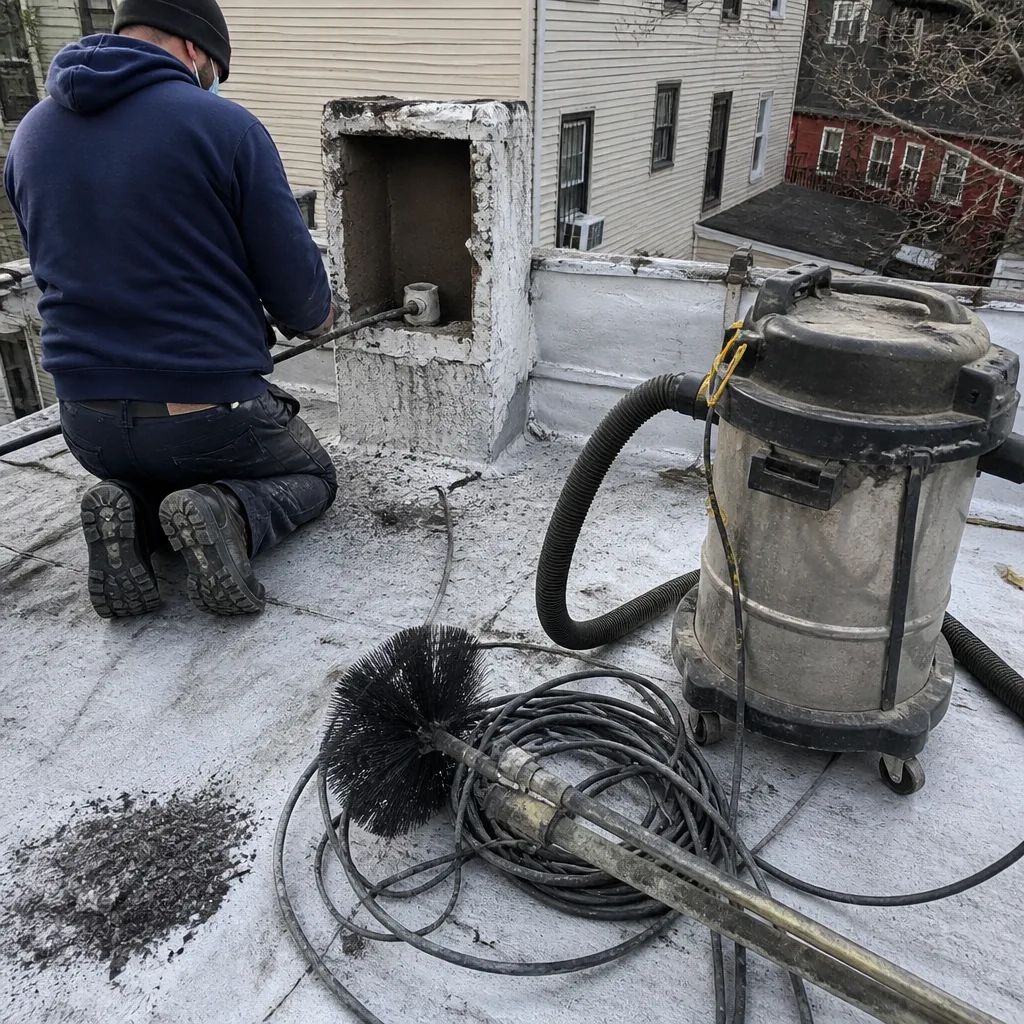 Before
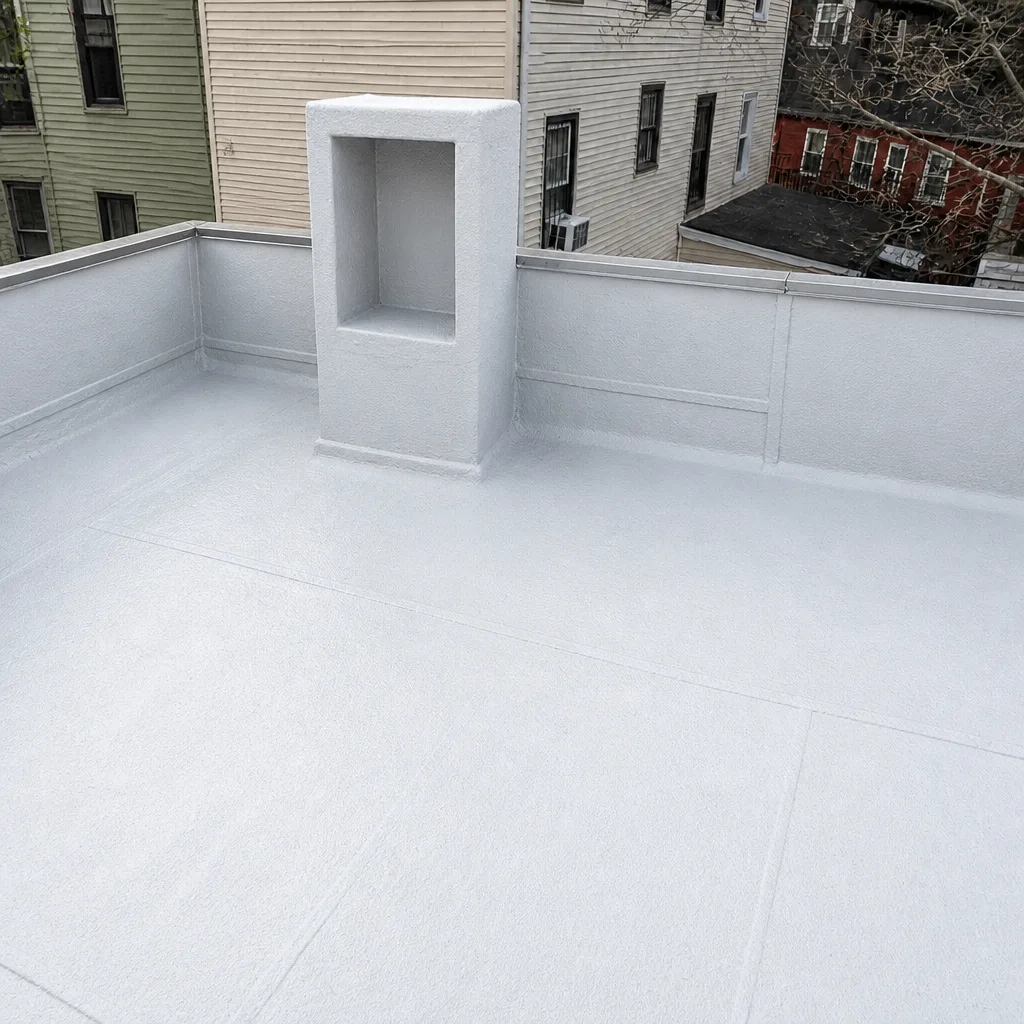 After
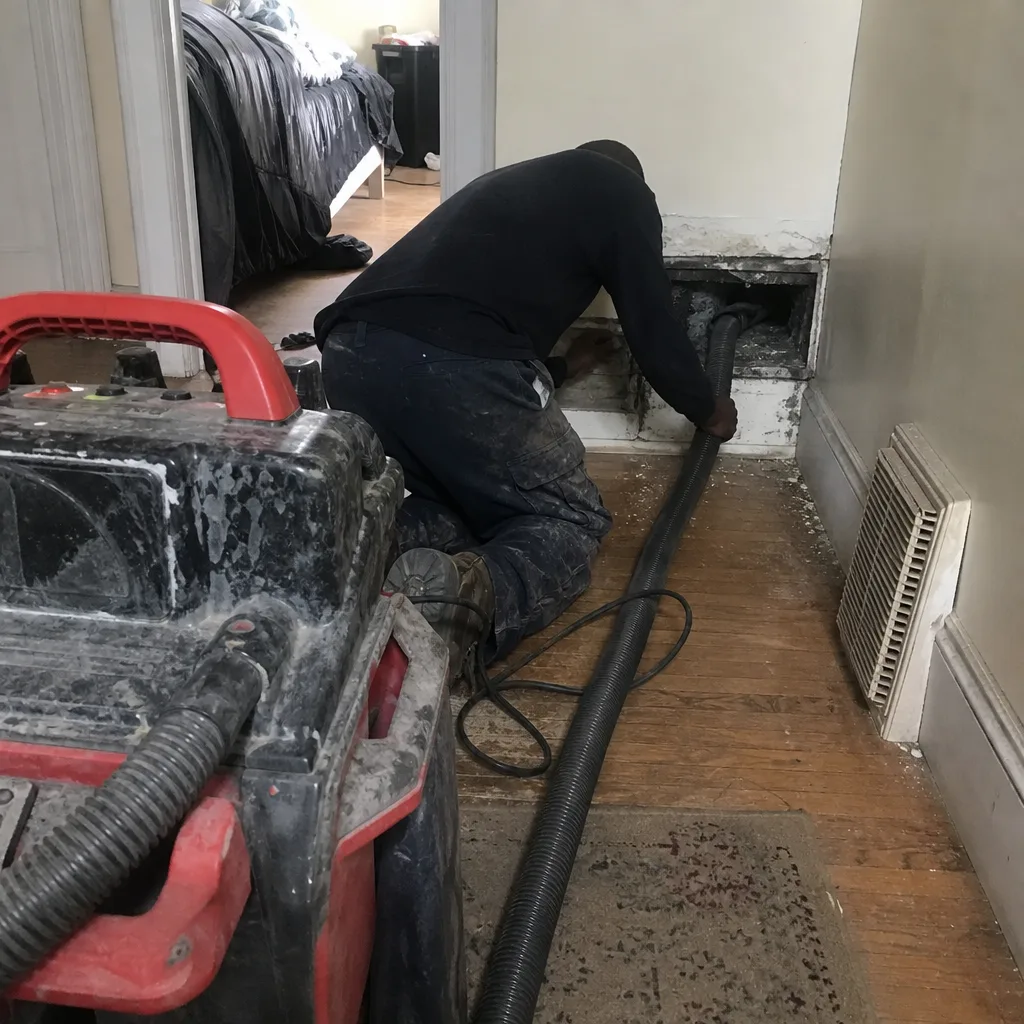 Before
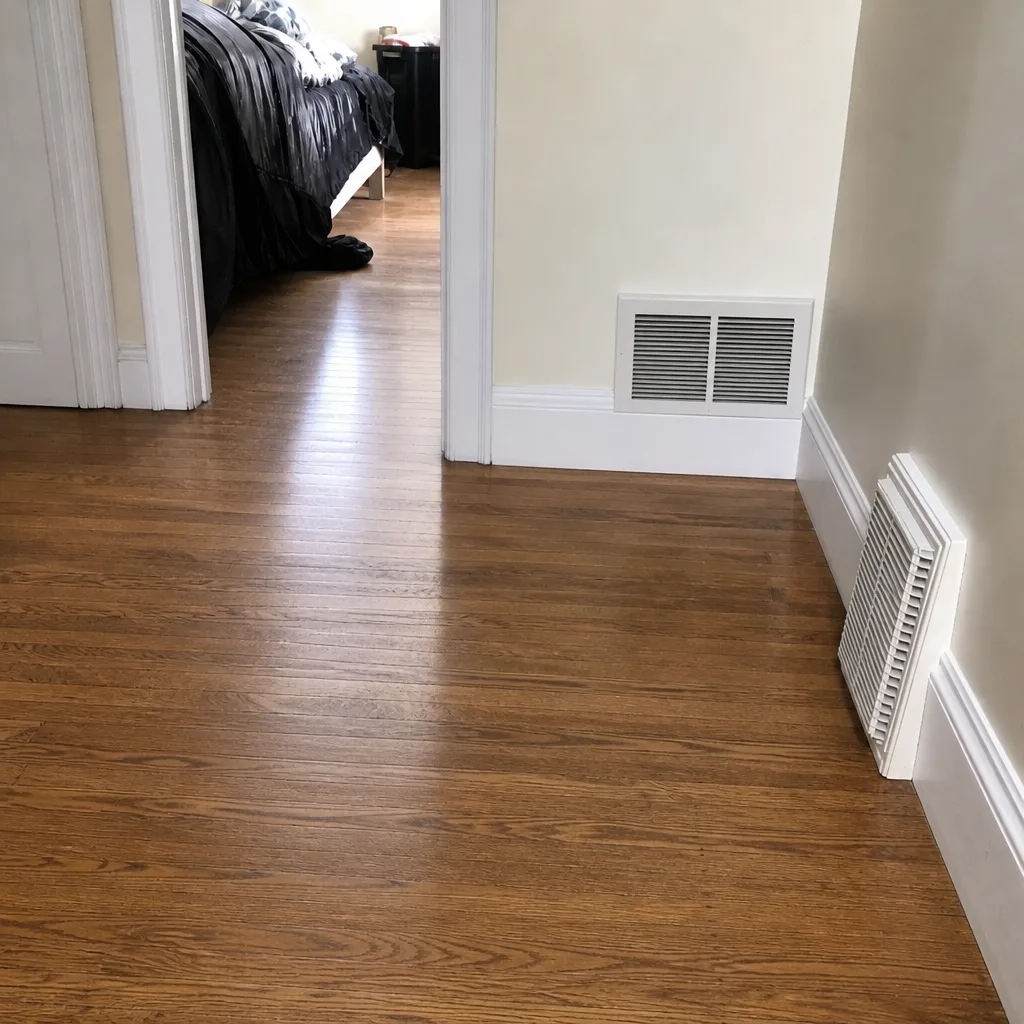 After
When to Call a Professional
Call us when ductwork hasn’t been serviced in a long while and the system is showing strain: rooms that never heat evenly, air that carries visible dust, or a musty smell from registers on a damp summer day. Call before any contractor cuts into a trunk in a multi-family building, so someone can tell you whether that scope needs a permit and a licensed mechanical contractor. Call for HVAC cleaning when the air handler itself is part of the problem, or when an aging system is pulling debris through every run. Call for dryer vent cleaning when the dryer takes two cycles to finish one load; that’s a fire risk, and it’s a service we handle directly rather than subcontracting. Air Duct Cleaning Bedford-Stuyvesant offers free estimates in Bedford-Stuyvesant, and the estimate is a written range, not a teaser coupon. The local pro is licensed and insured as their state requires, and the written estimate sets the final price. Call (866) 665-7533. We answer 24/7. Fast dispatch from 7am to 7pm, Sunday through Friday.
Frequently Asked Questions
No. Routine air duct cleaning is maintenance of an existing system and doesn’t require a permit from the NYC Department of Buildings. The permit question arises when the work changes the system itself: cutting, rerouting, resizing, or replacing ductwork. If you’re unsure which category your job falls into, call (866) 665-7533 and we’ll walk through the scope with you. Estimates are free.
It depends on the scope and the building class. Sealing existing joints and closing small gaps is generally routine repair. Altering duct layout, adding or removing runs, or changing materials typically requires a permit filed by a licensed contractor. Class A multiple dwellings add fire separation considerations between units. Get the scope in writing and check before work starts.
Class A multiple dwellings are buildings occupied as permanent homes by three or more families, and they cover most of Bedford-Stuyvesant’s converted rowhouses. Class B covers transient occupancy like hotels and rooming houses. The distinction affects which filings apply to duct alterations. In either case, cleaning is maintenance and needs no filing.
There’s no single timeline. A rowhouse with a new HVAC system and regular filter changes can go years between cleanings. An aging system, a recent renovation, or visible dust from the registers tends to need attention sooner. What matters more than the calendar is condition: if the ductwork has never been serviced and the system is pulling debris through it, cleaning helps. Call for an assessment.
Ask for before-and-after photos of your own ductwork, and a walkthrough at completion. A crew using proper extraction equipment can show you the difference. If a contractor won’t document the work or won’t show you the ducts, ask why. We photograph every completed job and stand behind the written scope.
Only if work was done under a permit that was never closed. Cleaning doesn’t create a permit record. Mechanical alterations do, and open permits follow the property until they’re resolved or signed off. The safeguard is simple: verify before the job whether a permit applies, get the permit number if one is filed, and ask for the sign-off when the work completes.
The Bottom Line
Cleaning almost never needs a permit. Repairs that alter the duct system often do. That single distinction keeps most Bedford-Stuyvesant duct work out of the DOB’s filing system and puts the rest squarely into it. Match the contractor’s license to the scope. Confirm the building class when you’re in a multi-family. Treat energy work like Local Law 97 as a separate professional’s job, not something duct sealing satisfies on its own. Check the property’s permit record before a sale. Then keep the documents: scope, permit numbers, sign-off letters, photos, and invoices, all in one folder per building. It’s not complicated once you know where the line is.
Written by the team at Air Duct Cleaning Bedford-Stuyvesant.